

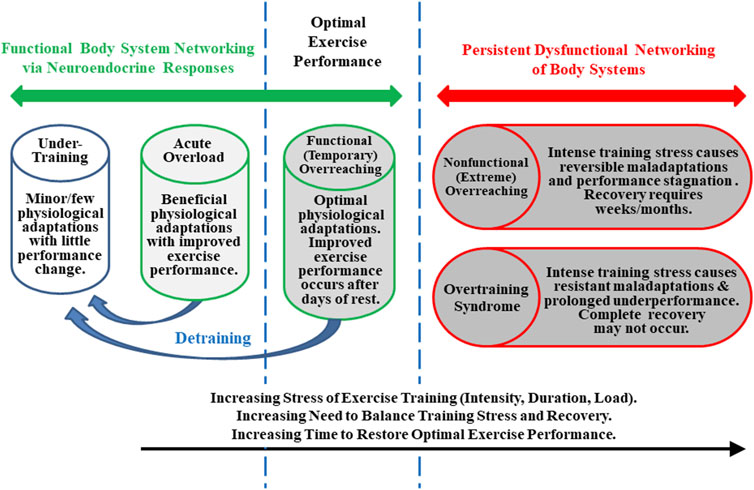
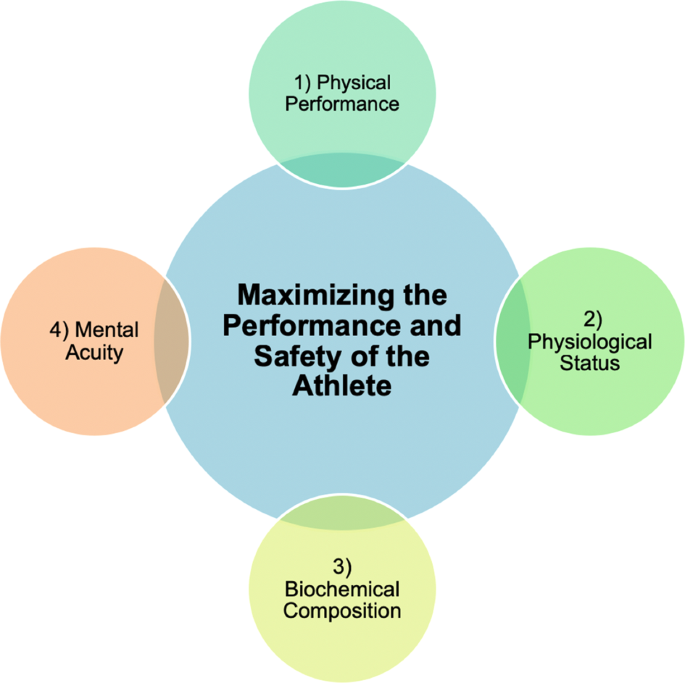
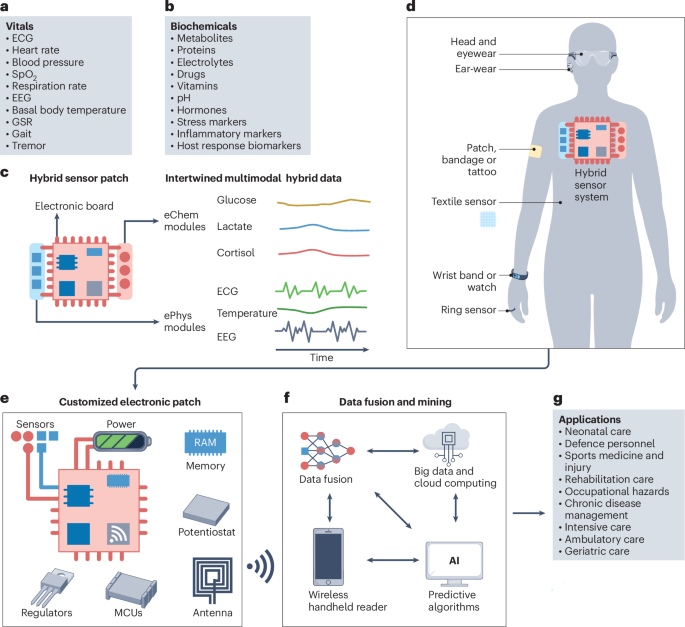
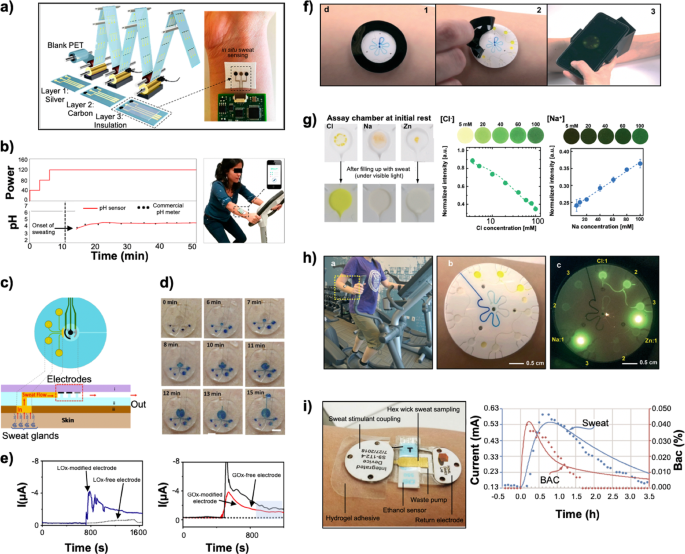
Neftaly can integrate smart sensors to detect early signs of overtraining syndrome (OTS), enabling athletes and coaches to implement timely interventions and optimize performance. Here’s how this can be achieved:
???? Smart Sensors for Early Detection of Overtraining Syndrome
1. Heart Rate Variability (HRV) Monitoring
HRV is a key indicator of autonomic nervous system balance and can reflect recovery status. A decrease in HRV may signal overtraining. Wearable devices like Whoop and Oura Ring continuously monitor HRV, providing insights into recovery and readiness .Wu Tsai Human Performance Alliance
2. Electrolyte and Sweat Composition Analysis
Smart sensors can analyze sweat composition to monitor electrolyte levels and hydration status. Dehydration and electrolyte imbalances can contribute to fatigue and overtraining. Wearables that assess these parameters help in managing recovery and preventing OTS .UCLA Health
3. Respiratory Rate and Oxygen Saturation Monitoring
Continuous monitoring of respiratory rate and oxygen saturation provides data on cardiovascular and respiratory function. Abnormalities in these metrics can indicate early signs of overtraining .
4. Multimodal Sensor Patches with Edge Computing
Advanced sensor patches equipped with edge computing capabilities can detect arrhythmias, falls, and other health symptoms in real-time. These devices process data locally, reducing latency and providing immediate feedback .Medical Xpress+1ScienceDaily+1
✅ Benefits of Implementing Smart Sensors
| Benefit | Description |
|---|---|
| Early Detection | Identifies signs of overtraining before they lead to injury or burnout. |
| Personalized Training | Tailors training loads based on individual recovery metrics. |
| Continuous Monitoring | Provides real-time data for timely interventions. |
| Enhanced Performance | Optimizes training and recovery cycles to improve overall performance. |
????️ Practical Applications for Neftaly
- Integrated Wearable Systems: Develop wearable devices that monitor HRV, sweat composition, and respiratory metrics to assess recovery status.UCLA Health
- Data Analytics Platforms: Create software that analyzes data from smart sensors to provide insights and recommendations for athletes and coaches.
- Real-Time Feedback Mechanisms: Implement systems that provide immediate feedback to athletes regarding their recovery status and readiness for training.