
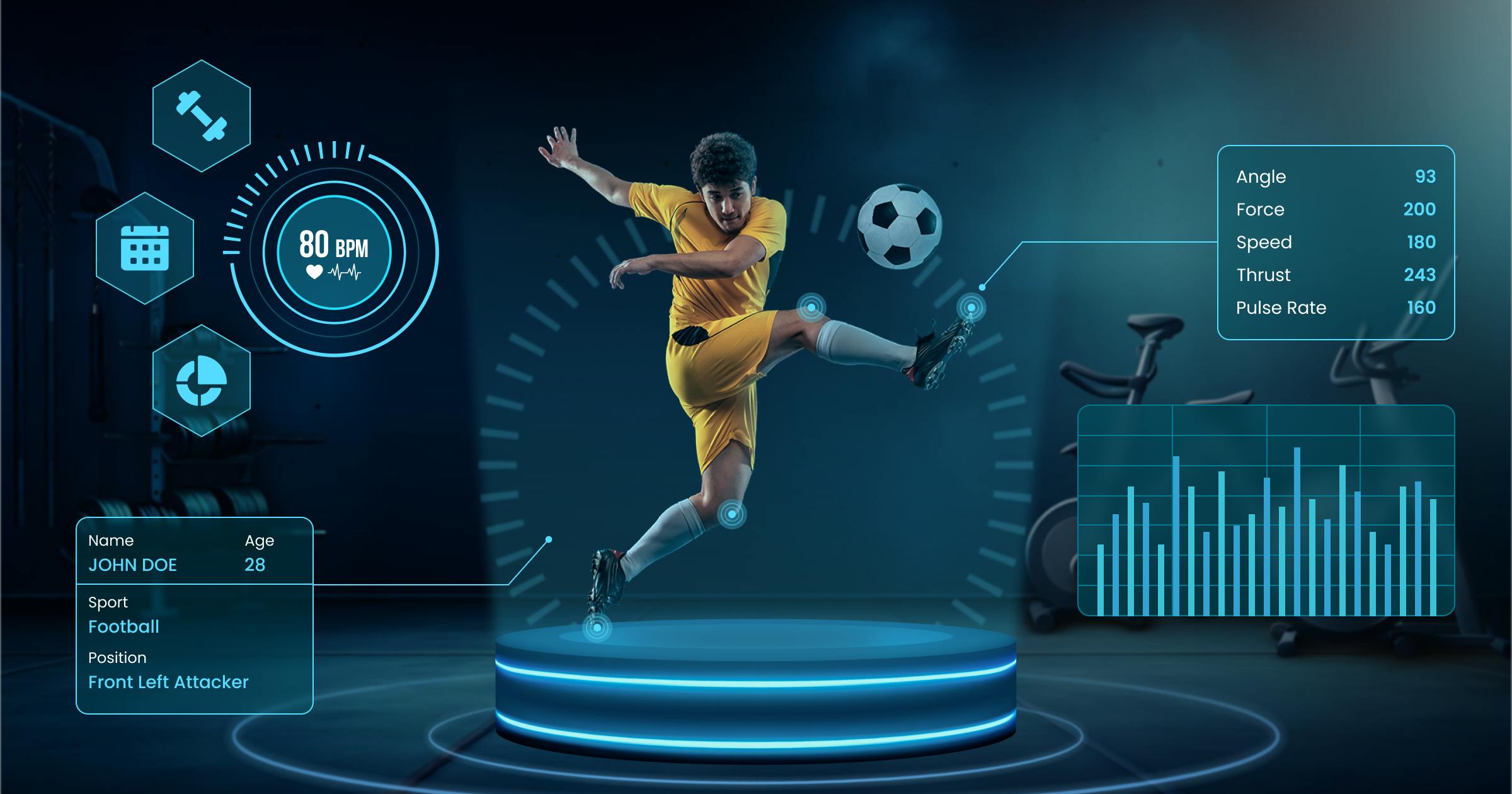
Neftaly: AI-Powered Systems for Performance Monitoring in Sports
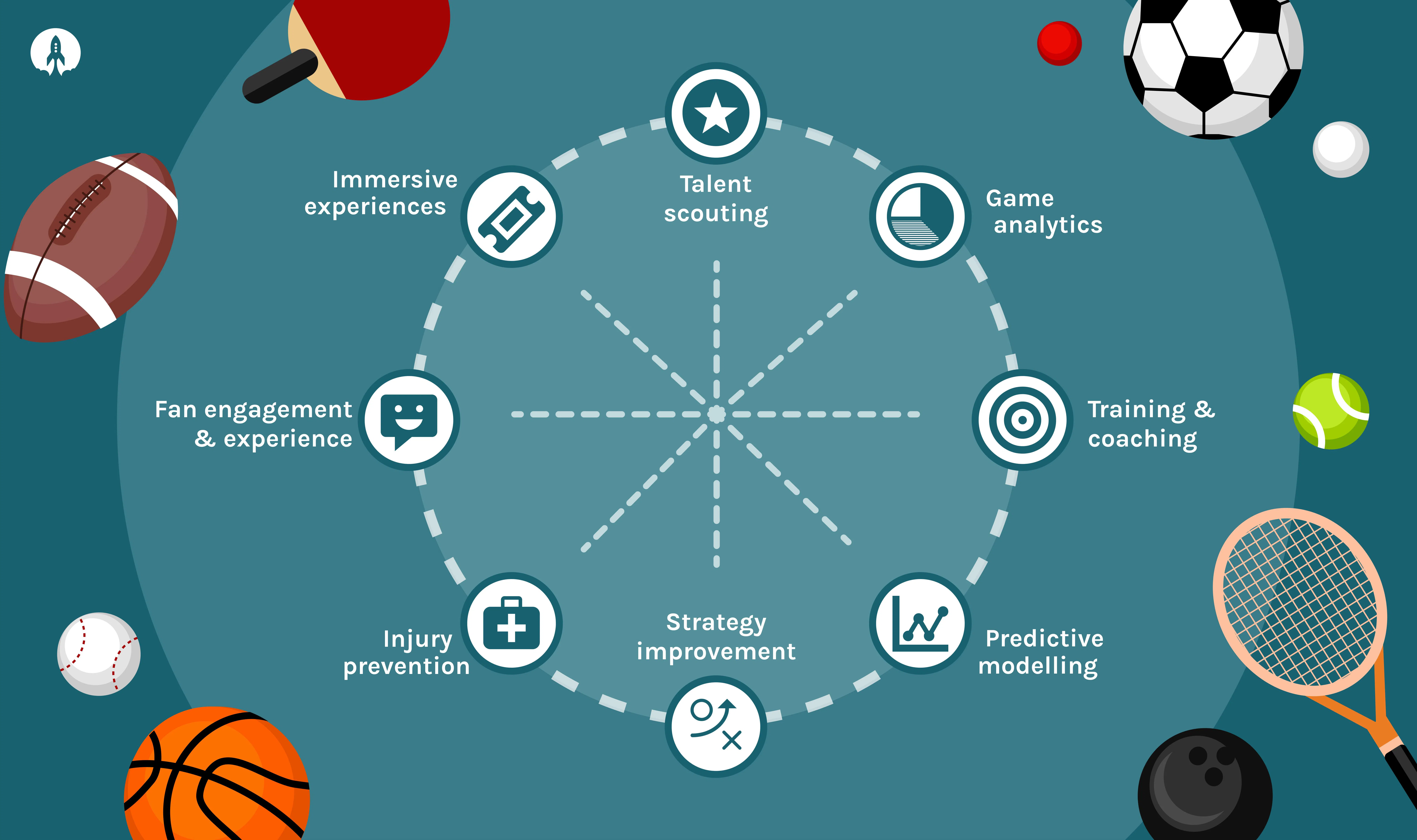
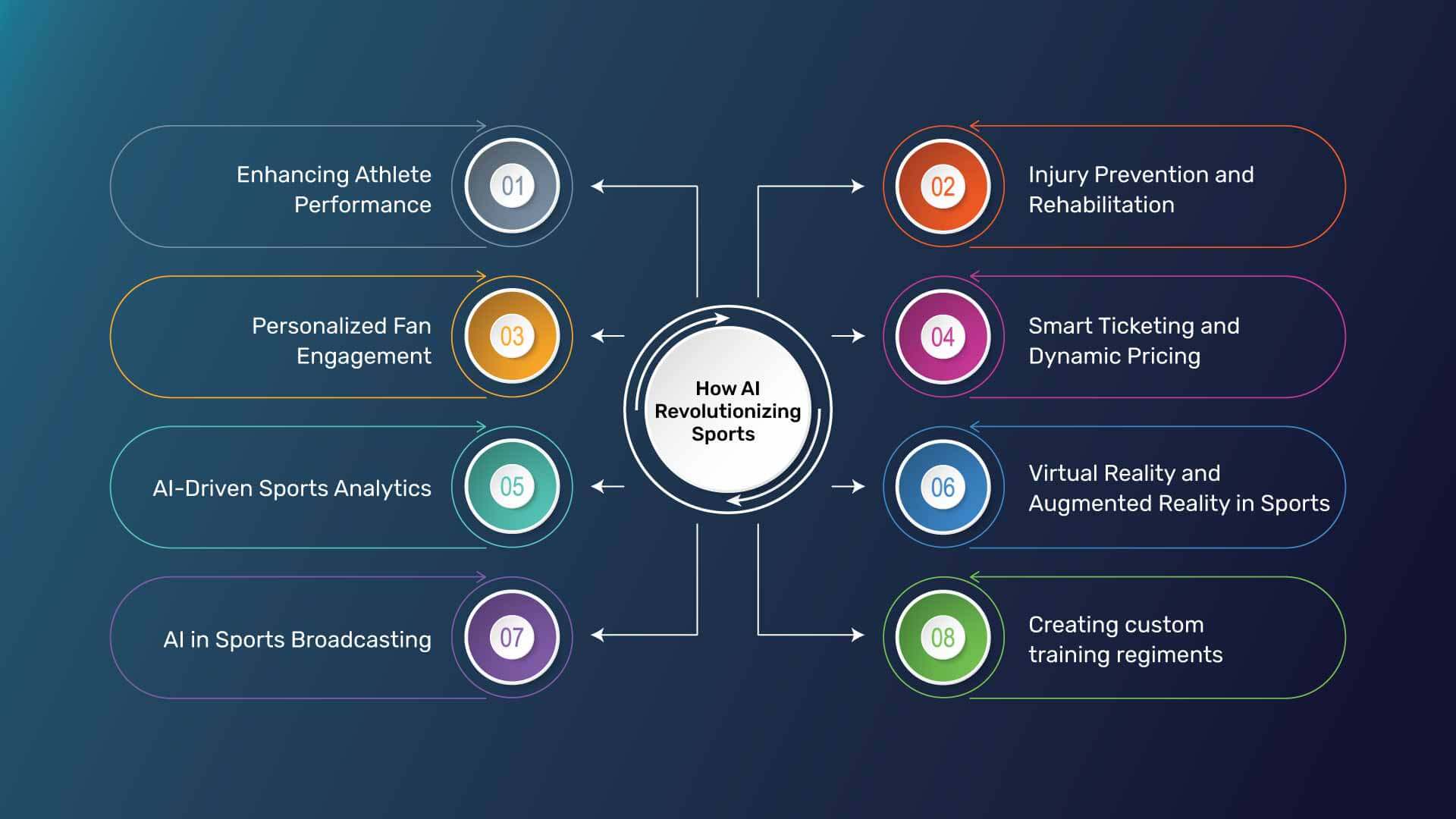
Artificial Intelligence (AI) is revolutionizing the way athletic performance is monitored and analyzed. By integrating AI with wearable technologies and advanced analytics, sports teams and athletes can gain deeper insights into performance metrics, optimize training regimens, and enhance recovery processes.
???? Key Applications of AI in Performance Monitoring
1. Real-Time Performance Tracking
AI-driven wearable devices, such as STATSports Apex 2.0 GPS trackers, provide real-time data on player movements, heart rate, and workload during training and matches. For instance, Manchester United has implemented these trackers to monitor player effort and performance, enabling coaches to make data-informed decisions .The Sun
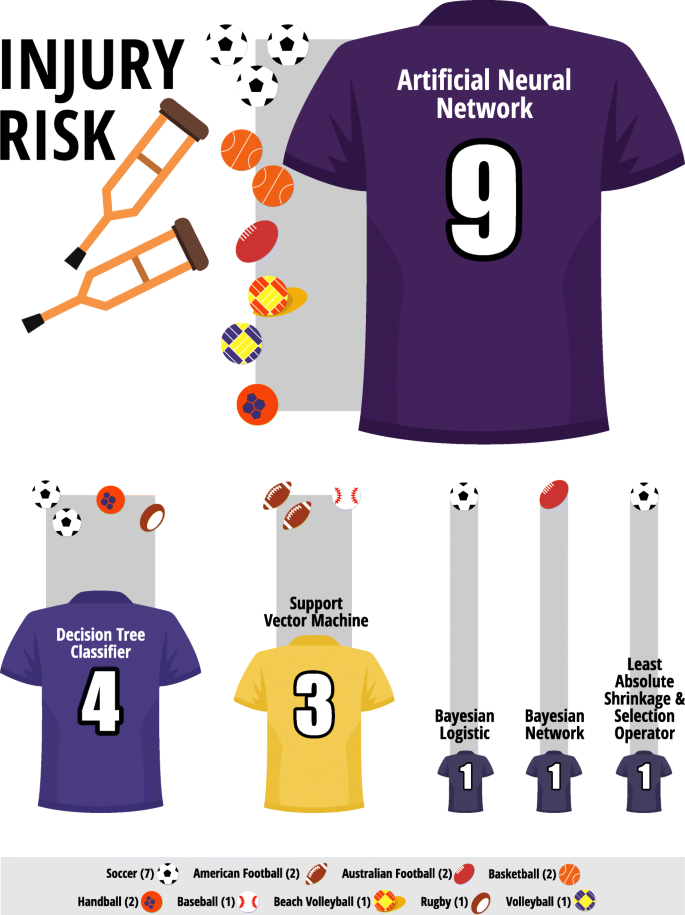
2. Predictive Analytics for Injury Prevention
AI systems analyze historical performance data to predict potential injury risks. By assessing factors like training intensity, fatigue levels, and movement patterns, AI can identify athletes at risk and recommend adjustments to training loads to prevent injuries .
3. Biomechanical Analysis
Advanced AI algorithms process data from wearable sensors to assess an athlete’s biomechanics. This analysis helps in identifying inefficient movement patterns and provides insights into areas for improvement, thereby enhancing overall performance and reducing the risk of injury .
4. Cognitive Performance Monitoring
Innovative AI platforms, like the Baseball Pro system by Pison, utilize neural sensors to monitor cognitive functions such as focus and stress levels. This data assists in understanding how mental states affect performance, allowing for tailored mental conditioning programs .Axios
???? Notable AI-Powered Performance Monitoring Systems
- STATSports Apex 2.0: Provides comprehensive tracking of player movements and physiological metrics during training and matches.The Sun+1
- Playermaker: A wearable device that attaches to an athlete’s footwear to capture detailed movement data, aiding in performance analysis and injury prevention .
- Pison’s Baseball Pro: Utilizes neural sensors to monitor cognitive performance, offering insights into mental states affecting athletic performance .Axios
???? Benefits of AI in Performance Monitoring
- Enhanced Performance Insights: AI provides detailed analyses of various performance metrics, enabling athletes and coaches to identify strengths and areas for improvement.
- Injury Risk Reduction: By predicting potential injury risks, AI allows for proactive adjustments in training to minimize the likelihood of injuries.rocketmakers.com
- Personalized Training Programs: AI systems can tailor training regimens based on individual performance data, optimizing training effectiveness.
- Objective Performance Evaluation: AI offers data-driven evaluations, reducing biases and providing a clear picture of an athlete’s performance.