Neftaly is a Global Solutions Provider working with Individuals, Governments, Corporate Businesses, Municipalities, International Institutions. Neftaly works across various Industries, Sectors providing wide range of solutions.
Neftaly Wearable Technology Enabling Continuous Health and Performance Monitoring
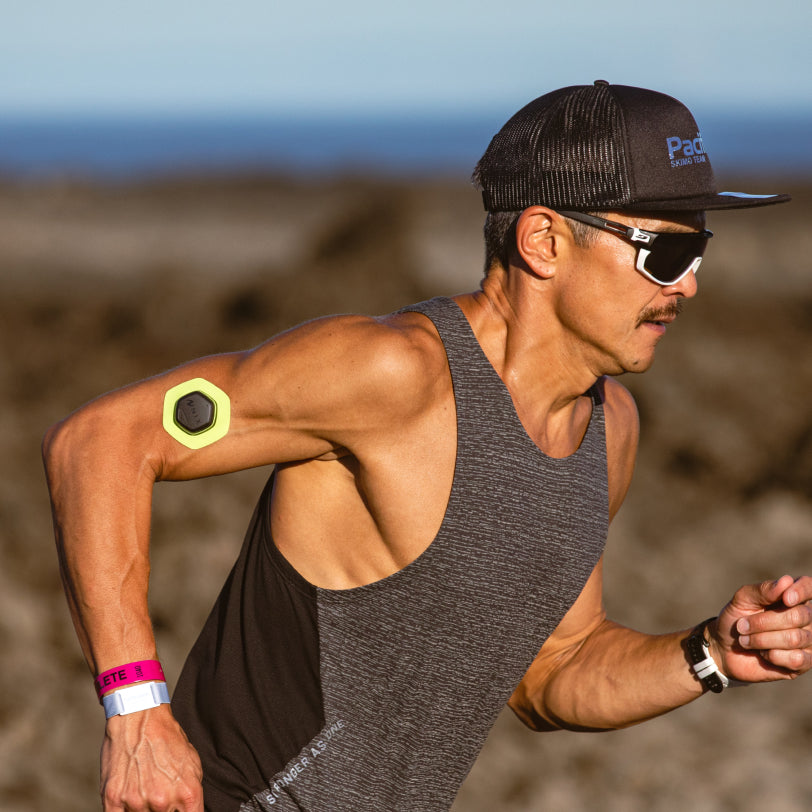
In the modern sports landscape, real-time insights can make all the difference. Neftaly is embracing wearable technology to give athletes and coaches an edge through continuous health and performance monitoring.
From heart rate sensors and GPS trackers to motion analysis devices, these tools provide accurate, up-to-the-minute data on an athlete’s physical condition and workload. Coaches can use this information to fine-tune training, prevent overtraining, and spot potential injury risks before they become serious.
Wearables also empower athletes to take ownership of their progress by tracking key metrics such as endurance, speed, recovery times, and sleep quality. This continuous feedback loop helps athletes understand their bodies better and make informed adjustments for peak performance.
By integrating wearable technology into its programs, Neftaly is not only enhancing performance outcomes but also promoting athlete safety, longevity, and overall well-being — both on and off the field.
Neftaly Using Technology to Enhance Coaching Effectiveness
In today’s fast-evolving sports environment, Neftaly is harnessing the power of technology to help coaches work smarter, not just harder. From performance tracking apps and video analysis tools to virtual training platforms, Neftaly integrates modern tech into coaching strategies to maximize results.
By using data-driven insights, coaches can pinpoint strengths, identify areas for improvement, and tailor training programs to meet each athlete’s unique needs. Technology also allows for real-time feedback, enabling faster skill adjustments and better performance outcomes.
Beyond the physical side of training, Neftaly leverages communication tools and online platforms to strengthen coach–athlete relationships, making collaboration seamless even outside of practice hours. This approach ensures athletes receive continuous guidance and support, no matter where they are.
With technology as an ally, Neftaly empowers coaches to be more effective, more informed, and more connected — ultimately leading to stronger teams and better athlete development.
Neftaly Wearable Technology Tracking Oxygen Consumption in Endurance Athletes
Neftaly is at the forefront of sports innovation with wearable technology designed to monitor oxygen consumption in endurance athletes. By providing real-time data on VO₂ levels, our technology empowers athletes and coaches to optimize training intensity, track performance progress, and reduce the risk of overtraining or injury.
This advanced monitoring system integrates seamlessly into training routines, offering precise, user-friendly insights that help athletes fine-tune their pacing, recovery strategies, and overall performance. The data can also be used by sports scientists and medical professionals to develop personalized training plans that maximize efficiency and endurance.
With Neftaly’s oxygen-tracking wearables, endurance athletes can better understand their bodies, push limits safely, and achieve peak performance with science-backed support.
Neftaly Sensor Technology for Real-Time Biomechanical Feedback
Precision matters in movement—whether you’re an elite athlete, a rehab patient, or someone fine-tuning fitness form. Neftaly’s advanced sensor technology delivers real-time biomechanical feedback, transforming the way you train, recover, and perform.
By capturing and analyzing data on joint angles, posture, movement patterns, and force output, Neftaly sensors provide instant insights into your biomechanics. This allows you to correct form on the spot, optimize efficiency, and reduce the risk of injury before it happens.
The system’s live feedback is accessible through an easy-to-read interface, making it ideal for athletes, coaches, physiotherapists, and sports scientists. Whether in a gym, on the field, or during rehabilitation, Neftaly empowers users with actionable, science-backed data for better results.
With Neftaly, every movement becomes smarter—guided by technology that understands your body’s mechanics in real time.
Neftaly: Confidential Mental Health Consultations Through Technology
Neftaly leverages advanced digital tools to deliver secure, confidential, and accessible mental health consultations—especially to youth, first responders, and underserved communities across Southern Africa.
???? Core Features & Capabilities
Telepsychiatry & Telepsychology: Neftaly provides live video and audio therapy sessions through HIPAA‑compliant, encrypted platforms akin to Doxy.me, which uses strict privacy-by-design measures and does not store patient health data on its servers Wikipedia+11Wikipedia+11Wikipedia+11.
Secure Messaging & Intake Triage: Through encrypted chat and secure intake interfaces (similar to Talkspace’s model), Neftaly offers private text or voice-based consultation and triage services—while maintaining strict confidentiality and consent protocols Wikipediatacklit.comWikipedia.
⚙️ Privacy, Compliance & Ethical Standards
Local Legal Compliance (South Africa): Consultations strictly adhere to the HPCSA’s ethical guidelines, the National Health Act, and POPIA, ensuring client confidentiality and informed consent—even in virtual formats. Informal channels like WhatsApp or plain SMS are avoided for any clinical content due to their non‑compliance PubMed+2itoo.co.za+2PMC+2.
Data Encryption Practices: All client interactions are encrypted both in transit and at rest. Neftaly avoids unnecessary data retention, minimizing exposure and reducing risks of breaches like those experienced by other mental health providers globally WIRED.
Privacy-Focused Design: Neftaly’s architecture mirrors best practices in digital mental health—prioritizing minimal data collection, rigorous encryption, and clear user privacy policies to prevent risks related to metadata leakage and third‑party sharing arXivarXiv.
???? Access & Inclusivity
Hybrid Delivery Modes: Clients can choose synchronous video/audio sessions, asynchronous messaging, or app‑based self-reporting tools, based on connectivity and personal preference—ensuring broader reach for those with limited data or device capacity PMC+2Wikipedia+2Wikipedia+2.
Sensitive Intake & Triage: Using AI- or algorithm‑driven assessment tools, Neftaly matches clients to the most appropriate intervention—whether it’s group workshops, one-on-one therapy, peer support, or referrals—while preserving client anonymity across the intake process arXiv+3tacklit.com+3Verywell Mind+3.
???? Clinical Integrity & Client Empowerment
Informed Consent & Session Planning: Before onboarding, users receive clear guidance about confidentiality boundaries, virtual etiquette, and privacy safeguards—including written agreements and digital consent forms tailored to telehealth settings ncbi.nlm.nih.govitoo.co.za.
Backup & Support Protocols: Neftaly includes technical assistance and contingency planning—such as alternative contact methods or emergency escalation plans—to ensure sessions remain confidential and uninterrupted in the event of connectivity or privacy disruption ncbi.nlm.nih.govncbi.nlm.nih.gov.
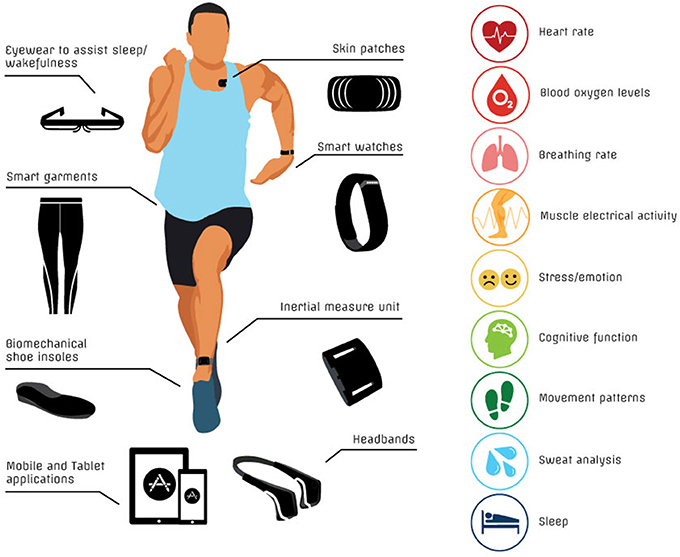
Wearable devices, such as smartwatches, fitness trackers, and sensor-equipped apparel, are increasingly used in sports to monitor various performance metrics, including:
Heart Rate Variability (HRV): Indicates recovery status and stress levels.
Movement Patterns: Tracks speed, distance, and agility.
These technologies provide coaches and athletes with data-driven insights to tailor training programs, prevent injuries, and optimize performance. PMC
???? Potential Benefits for DYP
Integrating wearable technology into DYP’s programs could offer several advantages:
Personalized Training: Data from wearables can help design individualized training plans that align with each athlete’s unique needs and goals.
Injury Prevention: Monitoring metrics like fatigue levels and movement patterns can identify early signs of overtraining or potential injuries.
Enhanced Engagement: Gamifying performance metrics through wearable tech can increase motivation and participation among youth athletes.
Community Empowerment: Providing access to advanced technology can inspire local youth and foster a sense of pride and achievement.
???? Considerations for Implementation
Before adopting wearable technology, DYP should consider:
Cost and Accessibility: Ensuring that devices are affordable and accessible to all participants.
Data Privacy and Security: Implementing measures to protect personal data collected through wearable devices.
Training and Support: Providing education for coaches and athletes on how to effectively use and interpret data from wearables.MDPI+2Sports Tech Research Network+2PMC+2
Integration with Existing Programs: Aligning wearable technology use with current training and development initiatives.
???? Future Directions
As technology evolves, DYP has the opportunity to:
Pilot Programs: Initiate small-scale trials to assess the effectiveness of wearable technology in enhancing athletic performance.
Partnerships: Collaborate with tech companies or educational institutions to gain access to resources and expertise.
Community Workshops: Host sessions to educate the community about the benefits and use of wearable technology in sports.
Neftaly: Wearable Technology for Continuous Performance Data Collection
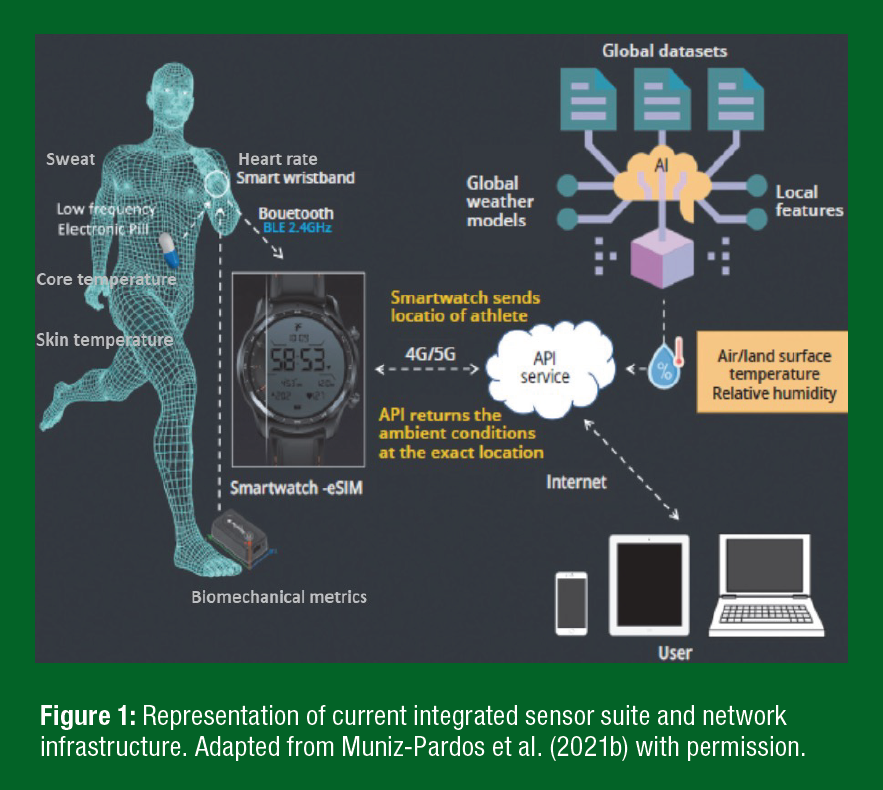
Neftaly integrates advanced wearable technology to provide continuous, real-time monitoring of athletes’ physiological and biomechanical data. This approach enables precise tracking of performance metrics, facilitating data-driven decisions to enhance training outcomes and prevent injuries.
Key Features:
Comprehensive Monitoring: Wearable devices capture a wide range of metrics, including heart rate variability, muscle oxygen saturation, movement patterns, and fatigue levels, offering a holistic view of an athlete’s condition.
Real-Time Feedback: Continuous data collection allows for immediate analysis, enabling coaches and athletes to make timely adjustments to training loads and recovery strategies.
Injury Prevention: By identifying early signs of overtraining or improper movement patterns, wearable technology aids in reducing the risk of injuries.
Performance Optimization: Detailed insights into physiological responses and movement efficiency help in fine-tuning training programs for peak performance.
Neftaly: Real-Time Biomechanical Monitoring with Wearable Technology
Neftaly integrates advanced wearable technologies to provide real-time biomechanical data, enabling athletes and coaches to optimize performance, prevent injuries, and enhance recovery. By leveraging sensors embedded in clothing and accessories, Neftaly captures detailed movement patterns and physiological responses during training and competition.
???? Core Capabilities
1. Comprehensive Biomechanical Monitoring
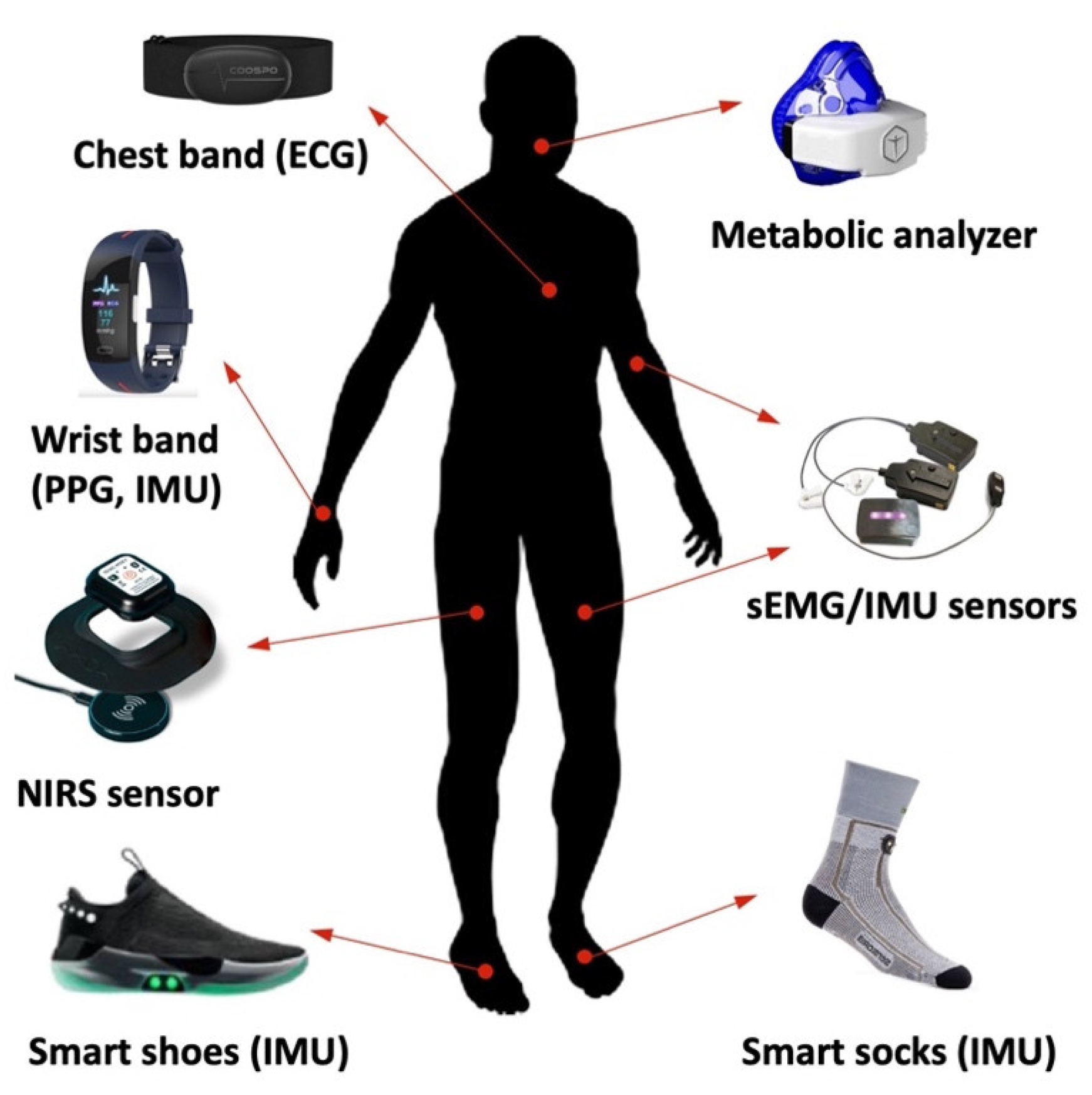
Neftaly utilizes a range of wearable sensors, including accelerometers, gyroscopes, electromyography (EMG) sensors, and force sensors, to monitor various biomechanical parameters such as joint angles, muscle activation, gait patterns, and ground reaction forces. This data is crucial for assessing movement efficiency and identifying potential areas for improvement.
2. Real-Time Feedback for Performance Optimization
The system provides immediate feedback on movement techniques, allowing athletes to make on-the-spot adjustments. For example, in resistance training, wearable sensors can assess lifting techniques and suggest modifications to enhance performance and reduce strain. MDPI
3. Injury Prevention and Risk Assessment
By continuously monitoring biomechanical data, Neftaly can detect abnormal movement patterns or signs of fatigue that may predispose athletes to injuries. Early detection allows for timely intervention, such as adjusting training loads or modifying techniques, to mitigate injury risks. SpringerLink
4. Integration with AI for Predictive Analytics
Neftaly incorporates artificial intelligence to analyze collected data and predict potential performance issues or injury risks. Machine learning algorithms can identify trends and patterns that may not be immediately apparent, providing deeper insights into an athlete’s biomechanical health.
⚙️ Technologies and Tools
Hexoskin Smart Shirt: A wearable garment that tracks physiological metrics such as heart rate, breathing rate, and movement activity, providing comprehensive data for performance analysis. Wikipedia
Exoskeletons and Inertial Measurement Units (IMUs): Wearable devices that assist in movement analysis and rehabilitation by providing real-time data on joint angles and muscle activity.
Surface EMG Sensors: Devices that measure muscle electrical activity, aiding in the assessment of muscle engagement and fatigue levels.
???? Benefits to Athletes and Coaches
Enhanced Performance: By analyzing biomechanical data, athletes can refine techniques to improve efficiency and effectiveness.
Injury Prevention: Continuous monitoring helps in identifying and addressing risk factors before they lead to injuries.
Data-Driven Decisions: Coaches can make informed decisions regarding training loads and recovery strategies based on objective data.
Personalized Training Programs: Tailored programs can be developed to address individual athlete needs and goals.
???? Real-World Applications
Professional Sports Teams: Teams utilize wearable technologies to monitor player movements and adjust training regimens accordingly. Catapult
Rehabilitation Centers: Clinics employ wearable sensors to track patient progress and modify rehabilitation exercises in real-time.
Industrial Settings: Wearables are used to assess worker movements and prevent workplace injuries. PubMed
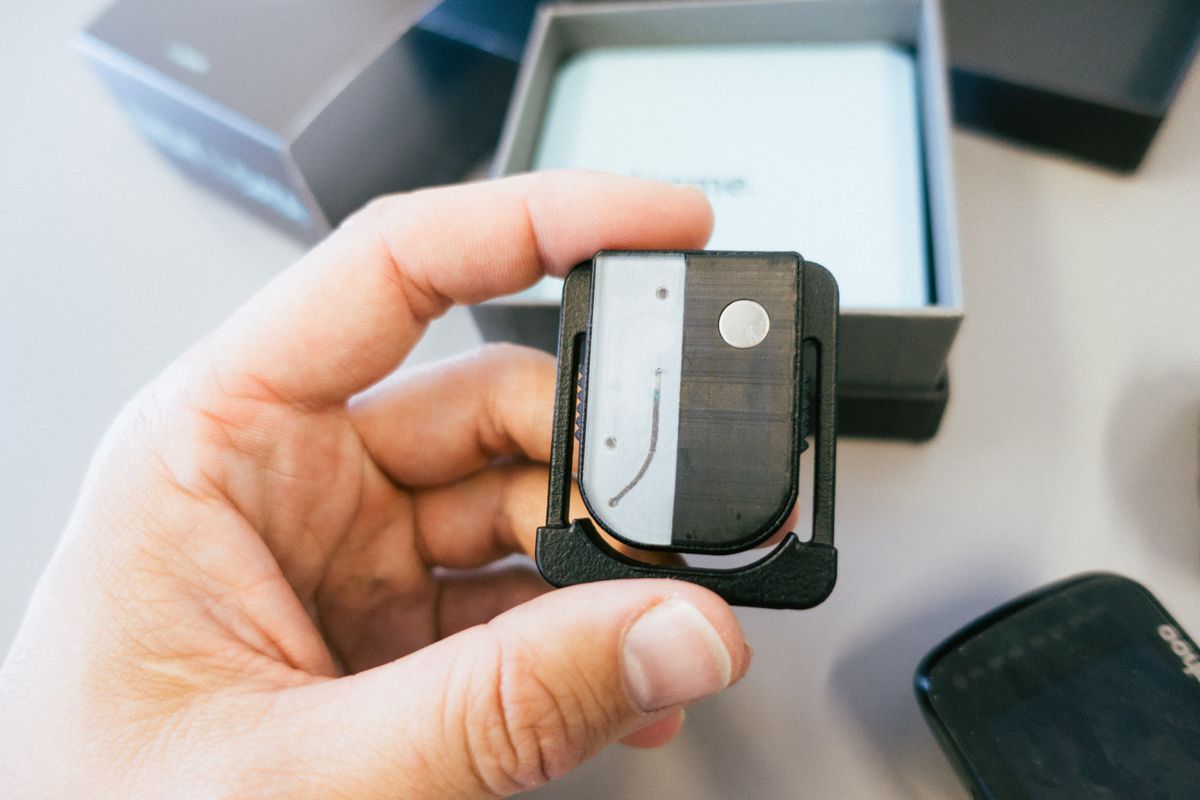
Neftaly can enhance athletic performance and recovery by integrating wearable hydration-monitoring technologies that provide real-time insights into fluid and electrolyte status. Here’s an overview of notable devices in this space:
???? Wearable Hydration Monitoring Devices
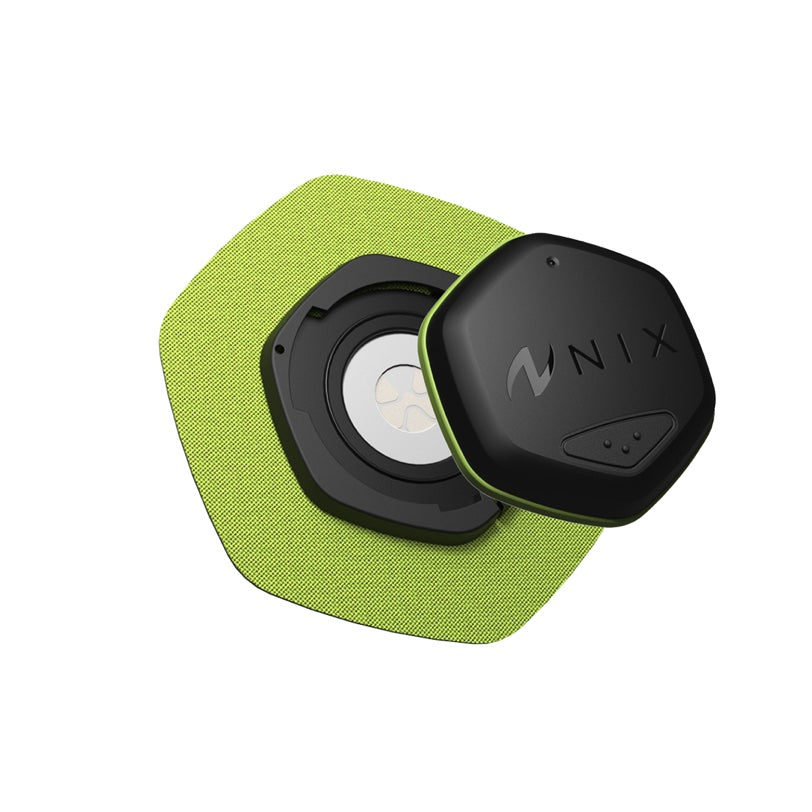
1. Nix Hydration Biosensor
Description: A lightweight, durable hydration monitor that quantifies when, what, and how much to drink (water or electrolytes) by analyzing sweat in real-time.
Features: The rechargeable pod clips onto a single-use sweat patch before the start of each workout to read and transmit data to the Nix app.
Description: The world’s most accurate reusable wearable sweat sensor, tracking hydration, sweat rate, and sodium loss in real-time for athlete sweat testing.
Features: Provides real-time feedback on sweat rate, sodium and potassium loss, and other crucial metrics, helping users understand how their fluid intake affects their performance.
Description: A small, wearable sensor that tells you how much fluid and salt you’ve lost after your ride or run, offering insights into hydration status.
Features: Provides data on fluid and salt loss, helping users adjust their hydration strategies accordingly.
Description: An advanced skin patch capable of detecting dehydration in real-time, offering medical-grade precision in a painless, minimally invasive format.
Features: Utilizes microneedle technology to extract key biosignals just beneath the skin, providing real-time health insights.
Wearable Technology Monitoring Sleep Patterns for Enhanced Recovery
Wearable devices designed to monitor sleep patterns are revolutionizing recovery strategies across various domains, including sports, healthcare, and general wellness. By providing real-time insights into sleep quality and physiological responses, these technologies enable individuals to optimize their rest and recovery processes.
???? Understanding the Role of Sleep in Recovery
Sleep is a critical component of the recovery process, influencing physical repair, cognitive function, and emotional well-being. Disruptions in sleep can impede recovery, leading to decreased performance and increased risk of injury. Therefore, monitoring sleep patterns is essential for tailoring recovery strategies to individual needs.
⌚ Wearable Devices for Sleep Monitoring
Modern wearable technologies offer a range of features to track and analyze sleep patterns:
Heart Rate Variability (HRV) Monitoring: Devices like the WHOOP 4.0 monitor HRV to assess recovery status and readiness for physical activity. The Sun+1Wikipedia+1
EEG-Based Monitoring: Headbands such as Somnee utilize EEG sensors to map brainwaves and provide personalized stimulation to improve sleep quality. WIRED+1The Wall Street Journal+1
Comprehensive Sleep Tracking: The Oura Ring tracks sleep cycles, skin temperature, and heart rate variability to provide detailed insights into sleep quality. New York Post+2Sleep Foundation+2Wikipedia+2
⚕️ Applications in Healthcare and Wellness
Wearable sleep monitors are increasingly used in clinical settings to enhance recovery:
Post-Hospital Recovery: Studies have shown that patients who maintain 7–9 hours of sleep per night and engage in over 5,000 steps per day report better functional outcomes after hospital discharge. JMIR mHealth and uHealth
Addiction Recovery: Clinical trials indicate that wearable devices can identify patterns related to substance use, aiding in relapse prevention and recovery monitoring. Haven Health Management
Sports Performance: Athletes use wearables to monitor sleep quality, ensuring optimal recovery and performance. Devices track metrics like sleep duration, consistency, and quality by monitoring heart rate, motion, and breathing patterns. ihrim.org
???? Clinical Insights and Research
Research highlights the effectiveness of wearable sleep trackers in various contexts:PMC
Clinical Validation: A review published in the Journal of Clinical Sleep Medicine discusses the use, validation, and utility of consumer wearable sleep trackers in clinical practice and research. PMC
EEG-Based Devices: Studies have explored EEG-based wearable devices that use electrodes placed on the forehead, ear, or neck to monitor sleep patterns, offering promising applications in clinical and healthy populations. Nature
⚠️ Considerations and Limitations
While wearable sleep monitors offer valuable insights, it’s important to consider:
Accuracy: Some devices may have a margin of error of about 10–25% around the estimated sleep duration compared to the gold standard of polysomnography. Sleep Matters
Data Privacy: Users should be aware of how their sleep data is collected, stored, and shared, ensuring their privacy is protected.
Clinical Consultation: Wearable devices should complement, not replace, professional medical advice, especially for individuals with sleep disorders.