Neftaly Email: sayprobiz@gmail.com Call/WhatsApp: + 27 84 313 7407

Tag: tennis

Neftaly is a Global Solutions Provider working with Individuals, Governments, Corporate Businesses, Municipalities, International Institutions. Neftaly works across various Industries, Sectors providing wide range of solutions.

Neftaly Email: sayprobiz@gmail.com Call/WhatsApp: + 27 84 313 7407

  • Neftaly the adverse outcomes of tennis on the environment

    Neftaly the adverse outcomes of tennis on the environment

    Neftaly the adverse outcomes of tennis on the environment

    Tennis, while viewed as a clean and individual sport, can have significant adverse impacts on the environment through its infrastructure, resource demands, and global operations. A primary concern is the construction and maintenance of tennis facilities. Building large stadiums and training centers often involves land clearance, habitat destruction, and heavy use of non-renewable materials. These projects can disrupt ecosystems, contribute to urban sprawl, and displace local wildlife.

    The upkeep of tennis courts also poses environmental challenges. Hard courts require chemical treatments and frequent resurfacing with petroleum-based materials, while grass courts demand intensive water use, pesticides, and fertilizers, contributing to soil degradation and water scarcity. Clay courts, though more sustainable in some respects, still require large quantities of natural clay, often sourced through environmentally harmful extraction practices.

    Major tournaments further intensify environmental strain. Global tennis events generate significant carbon emissions due to international travel by players, staff, and fans. The logistics of transporting equipment, broadcasting, and powering large venues add to the sport’s carbon footprint. Waste management at these tournaments is another concern, with single-use plastics, packaging, and promotional materials creating high volumes of non-recyclable waste.

    Energy consumption in tennis facilities also contributes to environmental harm. Floodlights for night matches, air-conditioning in indoor arenas, and water pumps for court maintenance rely heavily on electricity, much of which is still generated from fossil fuels in many regions.

    Finally, the culture of constant consumption in tennis—from frequently updated equipment and apparel to short product life cycles—contributes to manufacturing emissions and landfill waste. Discarded racquets, synthetic strings, and sportswear made of non-biodegradable materials add to long-term pollution challenges.

    In summary, the adverse outcomes of tennis on the environment include habitat disruption, unsustainable water and chemical use, high carbon emissions from global travel and tournaments, excessive energy consumption, and growing equipment-related waste, all of which highlight the sport’s hidden ecological footprint.

  • Neftaly the adverse outcomes of tennis on education systems

    Neftaly the adverse outcomes of tennis on education systems

    Neftaly the adverse outcomes of tennis on education systems

    Tennis, while fostering discipline and personal growth, can also create adverse outcomes for education systems, especially when the sport is pursued at competitive levels. One major issue is the disruption of academic balance. Young athletes often spend long hours training, traveling for tournaments, or attending specialized academies, which can interfere with their ability to keep up with schoolwork and achieve strong academic outcomes.

    The rise of private tennis academies further complicates education systems. Many of these institutions prioritize athletic performance over academic rigor, resulting in students receiving an imbalanced education. This can leave young athletes academically underprepared if their tennis careers do not succeed, creating long-term vulnerabilities.

    In countries where tennis is highly competitive, schools may also face pressure to accommodate athletes with flexible schedules or reduced academic demands. While supportive in the short term, this practice can lower educational standards and create inequality between athletes and non-athletes.

    Financial strain is another concern. Families who prioritize tennis often invest heavily in coaching, equipment, and travel, sometimes at the expense of funding formal education. This can lead to students leaving traditional schooling altogether in favor of sports-focused pathways, reducing their long-term career options outside tennis.

    Moreover, the emphasis on tennis success may perpetuate elitism within education systems. Access to quality training and international competition is usually restricted to wealthier families, meaning only a small, privileged group can balance elite tennis with quality education. This widens socioeconomic disparities within the broader system.

    Finally, the psychological stress of managing both academics and competitive tennis can overwhelm young players, leading to burnout, declining academic performance, or dropping out of school entirely.

    In summary, the adverse outcomes of tennis on education systems include academic disruption, imbalanced priorities in sports academies, pressure on schools to lower standards, financial strain on families, increased educational inequality, and psychological stress for student-athletes.

  • Neftaly Professionalization of tennis

    Neftaly Professionalization of tennis

    https://content.api.news/v3/images/bin/958f436dac936f1c5669c515e8d86500?width=1024
    https://images.immediate.co.uk/production/volatile/sites/3/2023/05/Best-tennis-players-all-time-male-5b3e3b7.jpg
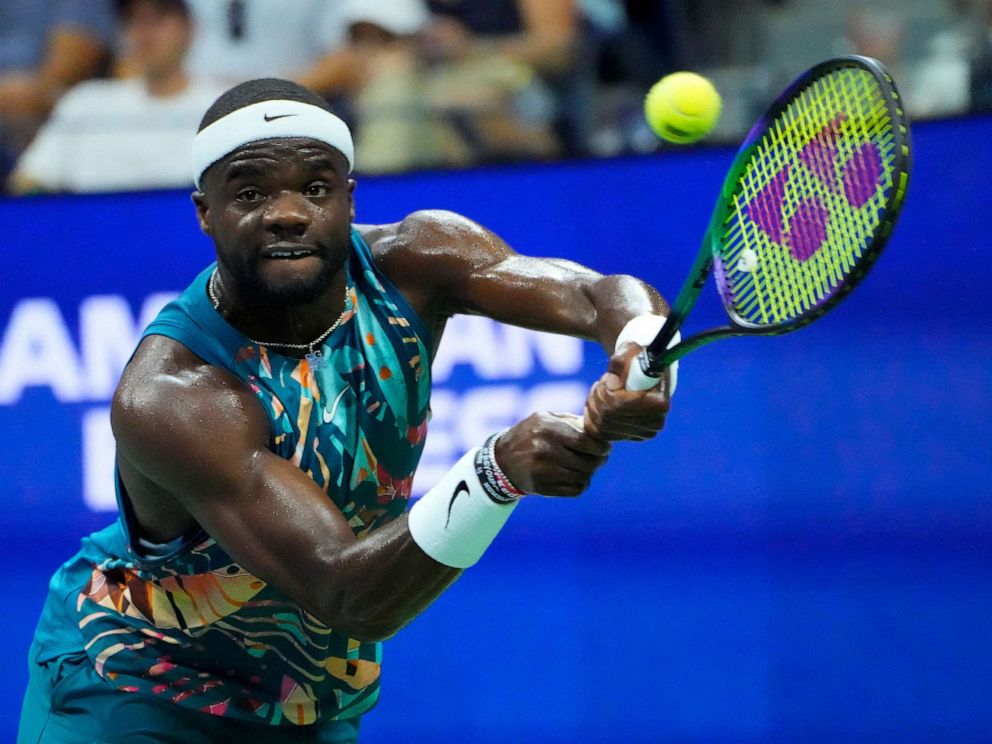
    https://s.abcnews.com/images/US/francis-tiafoe-rt-gmh-230906_1694030812726_hpEmbed_4x3_992.jpg
    https://www.essence.com/wp-content/uploads/sites/34/2011/09/images/2011/09/937983-serena_williams.jpg

    Neftaly Professionalization of Tennis

    The professionalization of tennis marks a transformative journey from its origins as an amateur pastime to its current status as a global, commercially-driven sport. This evolution has been shaped by key milestones, including the Open Era, the establishment of professional associations, and the expansion of media and sponsorship.

    Key Milestones in Professional Tennis

    • The Open Era (1968): A pivotal moment in tennis history occurred in 1968 when Grand Slam tournaments began allowing both amateur and professional players to compete. This shift, known as the Open Era, enabled top professionals to participate in major tournaments, leading to increased competition and visibility for the sport .onlinetennisinstruction.com+1
    • Formation of Professional Associations: In 1972, the Association of Tennis Professionals (ATP) was established to represent male professional players, advocating for their interests and organizing the men’s professional circuit. Similarly, the Women’s Tennis Association (WTA) was founded in 1973 by Billie Jean King, aiming to promote and develop women’s professional tennis .onlinetennisinstruction.com
    • Commercialization and Media Expansion: The professionalization of tennis coincided with the rise of television as a dominant medium, allowing tournaments to reach a global audience. This exposure attracted sponsorships and endorsements, significantly increasing prize money and providing players with financial stability .Wikipedia

    Impact on the Sport

    • Increased Global Participation: The professionalization of tennis has led to a more diverse pool of players from various countries, enhancing the global appeal of the sport.
    • Enhanced Player Development: With the availability of better training facilities, coaching, and financial support, players can now focus on long-term development, leading to higher levels of performance.
    • Elevated Standards and Competition: The influx of talented professionals has raised the overall standard of play, making tennis more competitive and exciting for fans.

    Challenges and Considerations

    • Commercial Pressures: The emphasis on revenue generation can sometimes overshadow the sport’s traditions and values.
    • Player Burnout: The demanding travel schedules and intense competition can lead to physical and mental fatigue among players.
    • Accessibility Issues: The high costs associated with training and equipment may limit access to the sport for aspiring players from lower-income backgrounds.

    Conclusion

    The professionalization of tennis has undeniably transformed it into a premier global sport, characterized by high levels of competition and widespread popularity. While it has brought numerous benefits, ongoing efforts are necessary to address the challenges that accompany commercialization and to ensure the sport remains inclusive and true to its roots.

    Recent Developments in Tennis

    Reuters

    Overlooked pioneer Gibson finally under the spotlight with U.S. Open tribute

    Today

    Vogue

    Brian Vahaly Is (Still) Leading the Conversation Around Gay Representation in Pro Tennis

    Today

    AP News

    US Open honors Althea Gibson for breaking the color barrier in tennis 75 years ago

    2 days ago

  • Neftaly Professionalization of table tennis

    Neftaly Professionalization of table tennis

    Neftaly and the Professionalization of Table Tennis in South Africa

    Neftaly, through its Southern Africa Youth Project (Neftaly), is dedicated to empowering youth in South Africa, particularly in underserved communities like Diepsloot. While specific programs focused on table tennis are not detailed, Neftaly’s comprehensive approach to youth development encompasses various sports and physical activities, which likely include table tennis.

    Key Initiatives Contributing to Table Tennis Development:

    1. Youth Development Programs:
      Neftaly offers a range of programs aimed at equipping young individuals with essential life skills. These programs likely include sports activities that foster teamwork, discipline, and leadership, which are integral to the professionalization of table tennis.
    2. Community Engagement:
      By integrating table tennis into community outreach efforts, Neftaly can provide a platform for youth to engage in structured activities that promote physical fitness and social cohesion.
    3. Partnerships and Collaborations:
      Neftaly’s collaborations with organizations like the Southern Africa Youth Project highlight their commitment to creating opportunities for youth. Such partnerships can facilitate the introduction and growth of table tennis programs, contributing to the sport’s professionalization in the region.

    Conclusion:

    While specific details about Neftaly’s table tennis initiatives are not extensively documented, their overarching mission to empower youth through various programs suggests a foundational role in promoting and professionalizing table tennis. Through structured youth development, community engagement, and strategic partnerships, Neftaly is contributing to the growth and professionalization of table tennis in South Africa.

  • Neftaly How hand-eye coordination drills improve tennisNeftaly How hand-eye coordination drills improve tennis

    Neftaly How hand-eye coordination drills improve tennisNeftaly How hand-eye coordination drills improve tennis

    Neftaly: How Hand-Eye Coordination Drills Improve Tennis Performance

    Hand-eye coordination is a fundamental skill in tennis, enabling players to accurately judge ball trajectories and execute precise shots. Regularly practicing hand-eye coordination drills can significantly enhance a player’s ability to respond swiftly and effectively during matches.

    ???? Cognitive Benefits

    Engaging in hand-eye coordination drills sharpens cognitive functions such as visual tracking, anticipation, and decision-making. By improving the brain’s ability to process visual information and translate it into motor actions, players can react more promptly to opponents’ shots, leading to better court coverage and shot selection.

    ???? Precision and Control

    Drills focusing on hand-eye coordination help players develop finer control over their racket, allowing for more accurate ball placement. This precision is crucial for executing strategies like drop shots, passing shots, and volleys, which require delicate touch and timing.

    ???? Transferable Skills

    The skills gained from hand-eye coordination exercises are transferable to various aspects of tennis. Improved coordination enhances a player’s ability to maintain balance during dynamic movements, adjust to different ball speeds, and execute complex shot combinations.

    ????‍♂️ Agility and Reaction Time

    Incorporating hand-eye coordination drills into training routines can also improve overall agility and reaction time. Exercises that challenge players to respond to unpredictable ball movements or simulate game scenarios help in developing quicker reflexes and better adaptability on the court.

    In summary, integrating hand-eye coordination drills into tennis training not only enhances technical skills but also contributes to a player’s overall athleticism, making them more effective and versatile on the court.

    For a practical demonstration of hand-eye coordination drills tailored for tennis players, you might find this video helpful: