Neftaly is a Global Solutions Provider working with Individuals, Governments, Corporate Businesses, Municipalities, International Institutions. Neftaly works across various Industries, Sectors providing wide range of solutions.
Neftaly Machine Learning Algorithms Forecasting Injury Risk and Recovery Time
Neftaly leverages advanced machine learning algorithms to predict injury risk and estimate recovery timelines, helping athletes train smarter and safer.
By analyzing historical performance data, biomechanics, physiological metrics, and training loads, the algorithms identify patterns that may indicate increased injury likelihood. They also provide data-driven projections for recovery durations, allowing coaches and medical staff to plan rehabilitation and return-to-play strategies effectively.
Athletes benefit from personalized insights that reduce injury risk, optimize training intensity, and support faster, safer recovery. Teams gain a proactive approach to athlete health, minimizing downtime and maintaining performance continuity.
With Neftaly, injury prevention and recovery management become predictive, precise, and fully integrated into athlete development programs.
Neftaly: Real-Time Detection of Biomechanical Inefficiencies with Smart Sensors
Neftaly integrates advanced smart sensor technology to monitor and analyze biomechanical performance in real time, enabling immediate feedback and corrective actions during training and rehabilitation. These wearable sensors are strategically placed on the body to capture detailed movement data, facilitating the identification of inefficiencies that could lead to injury or hinder performance.
???? Key Features
Comprehensive Movement Analysis: Sensors track a wide range of biomechanical parameters, including joint angles, stride length, acceleration, angular velocity, and impact forces. This data provides a holistic view of an athlete’s movement patterns. Dr. James Morales | Sports Medicine
Real-Time Feedback: The system processes sensor data instantaneously, offering immediate feedback through connected devices or applications. This allows athletes and coaches to make on-the-spot adjustments to posture and technique. Dr. James Morales | Sports Medicine
Wearable Integration: Sensors are embedded into clothing or attached to the body in a non-intrusive manner, ensuring comfort and ease of use during various activities.
Data Visualization: Collected data is visualized through user-friendly interfaces, enabling detailed analysis and tracking of performance over time. Dr. James Morales | Sports Medicine
???? Applications
Injury Prevention: By identifying biomechanical inefficiencies early, athletes can modify their movements to prevent potential injuries.
Performance Optimization: Continuous monitoring allows for adjustments that enhance movement efficiency, leading to improved athletic performance.
Rehabilitation: During recovery, real-time feedback ensures that exercises are performed correctly, promoting effective healing and preventing re-injury.
????️ Neftaly Smart Equipment Adapting Training Variables in Real Time
Overview Neftaly Smart Equipment combines advanced wearable sensors and AI-driven analytics to dynamically adjust training variables—such as resistance, speed, duration, or cognitive load—while users are mid-session. This real-time adaptation helps optimize performance, ensure safety, and maximize training efficacy for athletic, rehabilitation, or workplace movement contexts.
???? Key Components & Features
1. Sensor-Embedded Wearables
Smart garments, bands, or gear embedded with motion sensors and biometric monitors collect live data on movement patterns, force, heart rate, and coordination. As reported by Neftaly, they use sensors in athletes’ clothing to track performance metrics accurately staff.saypro.online+11sports.saypro.online+11events.saypro.online+11.
2. Real-Time AI Analytics
On-device or cloud-based AI analyzes the incoming data to detect deviations, fatigue onset, or performance inefficiencies. Based on this, it recommends or automatically modifies parameters—such as adjusting resistance levels, rep pace, or visual difficulty in VR—without interrupting the flow of training.
3. Adaptive Feedback Loops
Users experience tailored feedback: prompts to slow movement before excessive fatigue, recommendations to increase challenge when intensity dips, or guidance to stabilize biomechanics to prevent injury—delivered via connected apps or VR interfaces.
4. Integrated Platform Support
Neftaly’s solution includes dashboards and interfaces for coaches, therapists, or managers. These provide real‑time monitoring and long-term trend analysis, enabling data‑driven customization of individual training plans and workflows events.saypro.onlinesports.saypro.online.
???? Benefits of Real-Time Adaptation
Performance Optimization: Algorithms fine-tune training variables on the fly to keep users in an optimal performance window.
Injury Prevention & Safety: Early detection of fatigue or improper movement patterns helps avert strains or overuse.
Personalization at Scale: Automates tailored adjustments across sessions, users, and goals—ideal for clinics, teams, or corporate well-being programs.
???? Use Cases & Target Users
Athletes & Fitness Enthusiasts Wearable-enabled gear adjusts resistance bands, treadmill speed, or VR-based drills according to real-time metrics—ideal for training efficiency and fatigue management.
Rehabilitation & Physical Therapy Adaptive equipment (e.g. assisted exoskeletons or digital exercise systems) modulates difficulty based on patient progress—supporting safe recovery and progression.
Workplace Movement & Ergonomics Industrial or corporate wellness programs can use sensor-guided setups to monitor lifting mechanics or posture in real-time, adjusting training or environmental feedback to reduce injury risk.
???? Recommended Protocol
Step
Description
Baseline Calibration
Initial assessment of user movement patterns and vitals to set thresholds.
Live Session Use
Smart device adjusts parameters mid-session based on real‑time sensors and AI feedback.
Logging & Analytics
Stores detailed session data—motion, response times, fatigue indicators—for later review.
Review & Plan Adjustment
Coaches or therapists access dashboards to refine protocols or target areas needing improvement.
Frequency and session structure vary—typically 2–5 sessions per week, 20–60 minutes each, with iterative goal calibration.
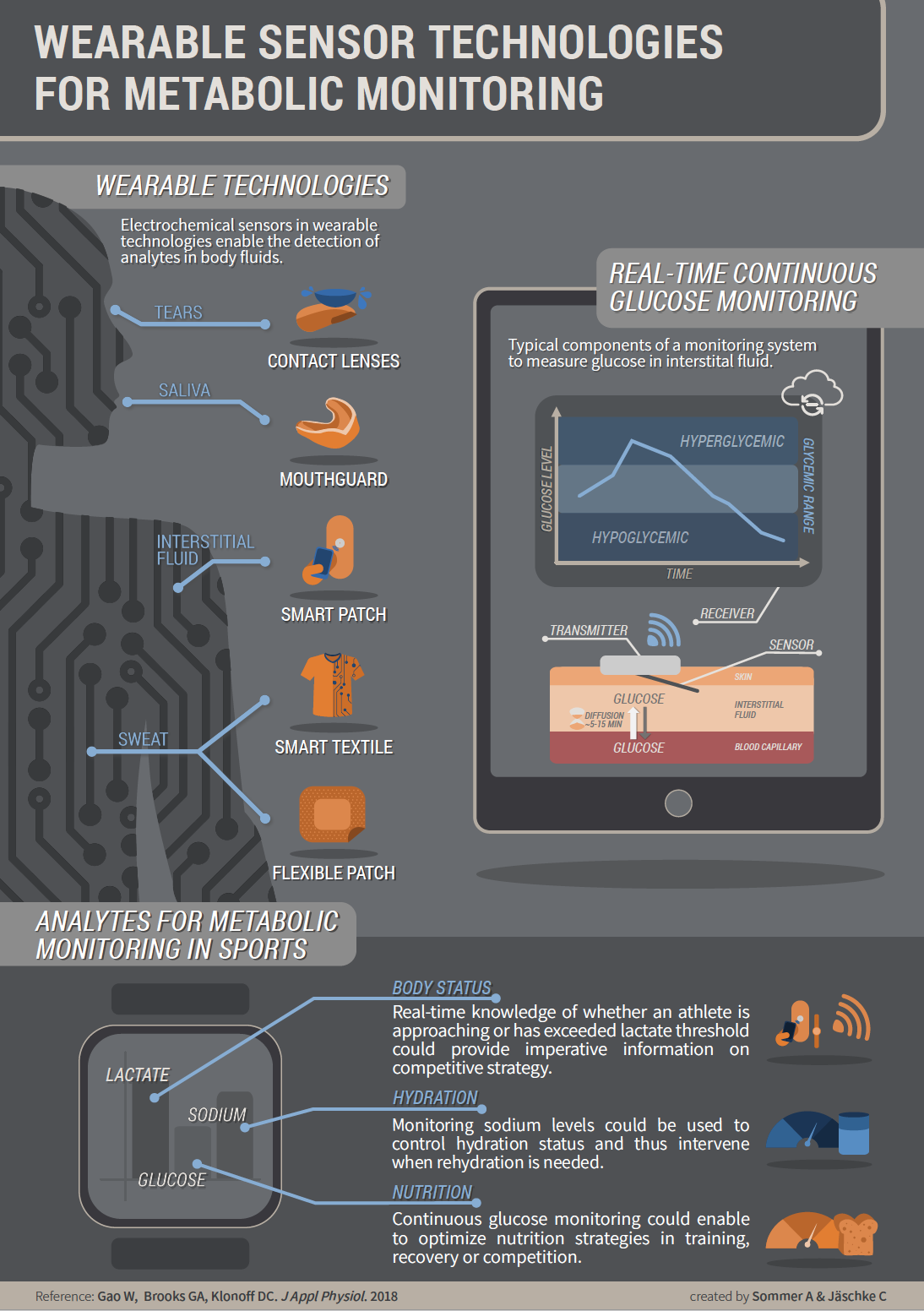
Neftaly integrates cutting-edge wearable sensors to monitor hydration and nutrition in real time, empowering athletes to optimize performance and recovery. Here’s an overview of the latest advancements in this field:
???? Real-Time Hydration Monitoring
1. Bioimpedance-Based Wearable Sensors
Researchers at the University of Texas have developed a non-invasive wearable sensor that continuously measures body hydration levels using bioimpedance. The device employs tetrapolar bioimpedance with strategically placed electrodes on the arm to assess water content. It wirelessly transmits data to a smartphone via Bluetooth, enabling real-time monitoring and timely interventions to prevent dehydration .New York Post+2Fox News+2Inside Precision Medicine+2Inside Precision Medicine+1Fox News+1
2. Sweat Analysis Sensors
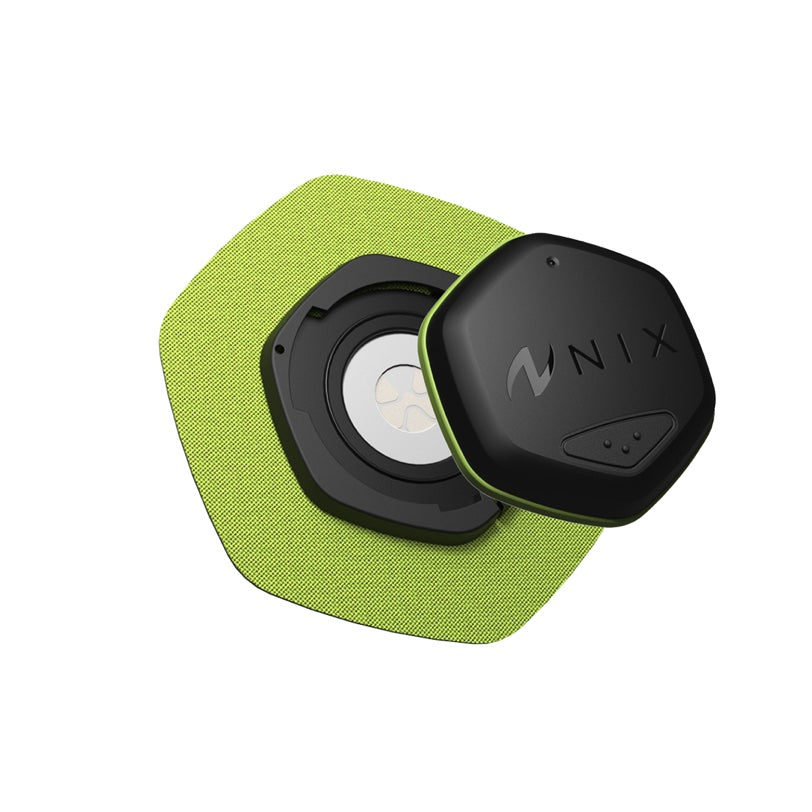
The Nix Hydration Biosensor is a lightweight device that attaches to the bicep and analyzes sweat composition during workouts. It provides personalized hydration recommendations by measuring fluid and electrolyte losses, transmitting data to a companion app for real-time insights .Nix Biosensors+3WIRED+3Nix Biosensors+3Nix Biosensors+1WIRED+1
3. Spectroscopic Wearable Devices
The HydroTrack prototype integrates an 18-channel spectroscopy sensor into a smartwatch to assess hydration levels. It employs advanced signal processing techniques to analyze skin and tissue properties, achieving approximately 95% accuracy in determining hydration states during physical activities .arXiv
???? Real-Time Nutritional Monitoring
1. Microfluidic Biosensors
Wearable microfluidic biosensors utilize electrode arrays embedded in microfluidic channels to measure sweat biomarkers such as sodium concentration and sweat rate. These sensors provide real-time data on electrolyte balance and hydration status, aiding in heat stress management and performance optimization .Nature
2. AI-Enhanced Spectroscopy
Recent advancements in AI-powered surface-enhanced Raman spectroscopy (SERS) enable the detection of critical biomarkers in sweat. By combining nanotechnology and AI, these wearable sensors offer real-time health monitoring capabilities, including nutritional assessments .Spectroscopy Online
???? Applications in Athletic Performance
Personalized Hydration Plans: Real-time data allows for tailored hydration strategies, ensuring athletes maintain optimal fluid and electrolyte balance.
Performance Optimization: Monitoring hydration and nutrition levels helps in adjusting training loads and recovery protocols to enhance performance.
Injury Prevention: Early detection of dehydration or nutritional imbalances can prevent heat-related illnesses and other performance-limiting conditions.
Here’s a helpful visual from the CDC that illustrates the importance of balancing “lean time” (physical activity) with screen time—a perfect cue for Neftaly’s initiative to support healthier routines.
Neftaly Initiative: Balancing Screen Time with Physical Activity
What the Experts Say
Recommended Daily Balance For children aged 6–12, guidelines suggest:
≥ 60 minutes of physical activity
≤ 2 hours of recreational screen time
9–12 hours of sleep (8–10 hours for ages 13–17) PMCScienceDirect However, only a minority of youth currently meet all three benchmarks.PMCTIME
Health Risks of Excessive Screen Use High recreational screen time—especially beyond 3–6 hours per day—increases risks for poor cardiometabolic health, reduced sleep quality, and mental health challenges.The SunNCBI
Early Years Matter Most For children under 5, the WHO urges minimizing sitting and screen-based time in favor of active play and better sleep to support healthy development.World Health OrganizationBioMed Central