Neftaly is a Global Solutions Provider working with Individuals, Governments, Corporate Businesses, Municipalities, International Institutions. Neftaly works across various Industries, Sectors providing wide range of solutions.
The history of gymnastics is adorned with legendary athletes whose skill, innovation, and competitive spirit have shaped the sport. These gymnasts set new standards, inspired generations, and left an indelible mark on gymnastics worldwide.
Nadia Comăneci (Romania): The first gymnast to score a perfect 10 at the 1976 Montreal Olympics, Nadia revolutionized the sport with her grace and technical precision.
Simone Biles (USA): Known for her unprecedented difficulty and power, Biles has multiple Olympic and World Championship golds, redefining modern gymnastics.
Larisa Latynina (Soviet Union): Holding the record for most Olympic medals (18) for decades, Latynina dominated in the 1950s and 60s with elegance and consistency.
Shannon Miller (USA): The most decorated American gymnast in Olympic history, Miller excelled in the 1990s with a combination of artistry and athleticism.
Vitaly Scherbo (Belarus): At the 1992 Olympics, Scherbo won six gold medals, showcasing versatility and dominance across multiple apparatus.
These gymnasts represent the pinnacle of athletic achievement, each contributing to gymnastics’ evolution and global appeal. Their legacies continue to inspire aspiring athletes around the world.
Neftaly: The Most Iconic Swimming Records of All Time
Swimming history is marked by extraordinary performances that have redefined the sport and inspired generations. Some of the most iconic records include:
Michael Phelps’ 23 Olympic Gold Medals: The most golds won by any Olympian, showcasing unparalleled dominance across multiple events from 2004 to 2016.
Mark Spitz’s 7 Gold Medals in 1972: Spitz set a then-unbreakable record at the Munich Olympics, capturing gold in every event he entered.
Katie Ledecky’s World Records in Distance Freestyle: Ledecky revolutionized distance swimming with multiple records in the 400m, 800m, and 1500m freestyle events.
Caeleb Dressel’s 100m Freestyle Record: Known for his sprinting power, Dressel continues to push the limits in short-distance freestyle.
Kristin Otto’s 6 Gold Medals in 1988: The first woman to win six Olympic golds in a single Games, dominating sprint events.
These records highlight human potential’s limits and the relentless pursuit of speed, inspiring swimmers to chase ever-faster times.
Neftaly: Key Developments in Sports Equipment Over Time
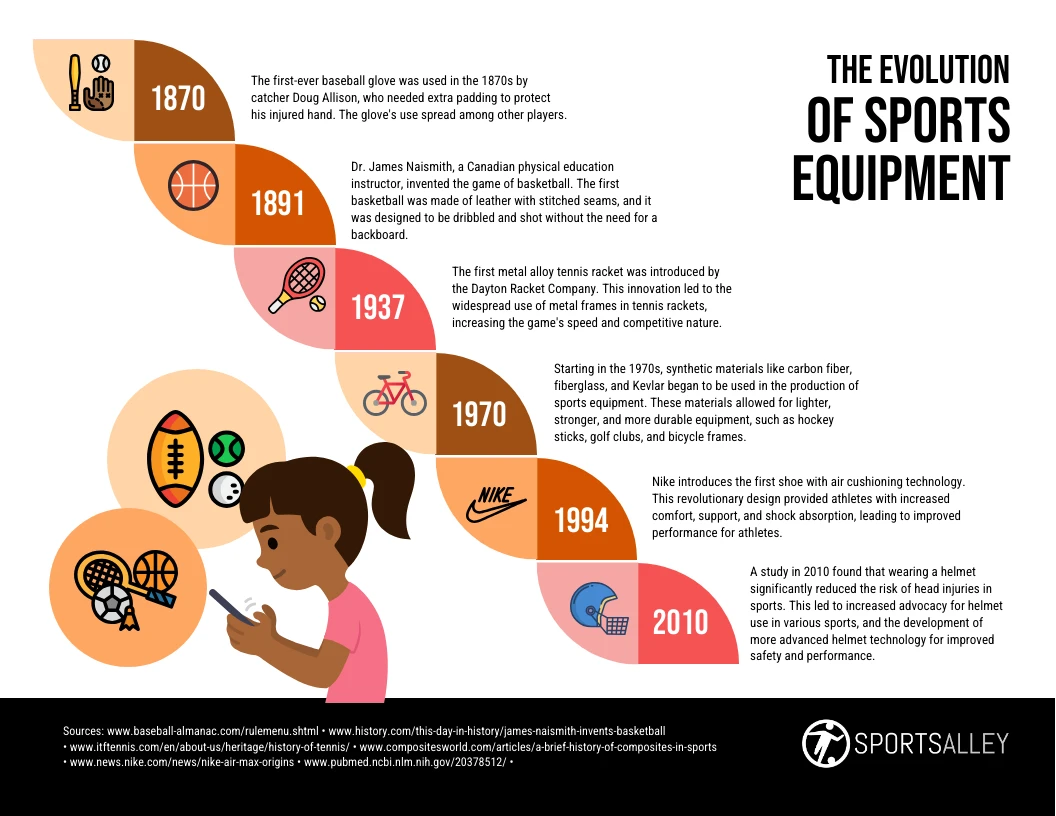
The evolution of sports equipment reflects humanity’s ingenuity and the relentless pursuit of performance, safety, and fairness. From ancient civilizations to the modern era, advancements in materials, design, and technology have transformed how athletes train, compete, and recover.
???? Ancient Beginnings
The origins of sports equipment trace back to early civilizations. In ancient Egypt, depictions reveal rudimentary balls made from animal bladders and bones, laying the foundation for future advancements in sports gear . Similarly, ancient Chinese records from the Warring States period (476–221 BC) mention the use of a football, indicating early forms of sporting tools .physicalculturestudy.comWikipedia
????️ Industrial Revolution & Material Innovations
The Industrial Revolution marked a significant turning point, introducing mass production and new materials. The discovery of vulcanized rubber in the mid-1800s led to the creation of inflatable balls, revolutionizing sports like basketball and football . Synthetic fabrics such as nylon and polyester emerged, offering lightweight, moisture-wicking, and stretchable properties ideal for sportswear.Flex Fitness Equipment Au
Companies like Easton Sports pioneered the use of aluminum in sports equipment. In 1969, Easton began manufacturing aluminum baseball bats, followed by aluminum hockey stick shafts in the early 1980s, which were approved for use in the NHL .Wikipedia
???? Mid-20th Century: Safety and Performance
The 1920s saw the introduction of soft leather helmets in football. By the 1940s, plastic helmets became mandatory, and by the 1960s, molded polycarbonate helmets were standard. Today, helmets incorporate smart technology to minimize concussion risks and enable two-way communication .SubAir Systems+1
???? Late 20th Century: High-Performance Materials
The late 20th century witnessed the integration of advanced materials like carbon fiber, titanium, and ceramics into sports equipment. These materials offer enhanced strength, reduced weight, and improved performance. For instance, Howard Head’s innovations in the 1950s led to the development of the first commercially successful aluminum laminate skis and oversized tennis rackets, significantly impacting skiing and tennis equipment design .Wikipedia
???? 21st Century: Smart and Specialized Gear
The 21st century has ushered in an era of smart and specialized sports equipment. Wearable technology, such as fitness trackers and smart clothing, allows athletes to monitor performance metrics in real-time. In swimming, Speedo’s LZR Racer swimsuits, introduced in 2008, utilized polyurethane panels to reduce drag, leading to numerous world records before being banned due to performance-enhancing concerns .WIRED+1
In running, Nike’s Vaporfly shoes, featuring a carbon fiber plate and innovative foam, have revolutionized competitive running since their 2016 debut, enabling runners to achieve faster times and setting new records .WIRED
???? Gender-Inclusive Design
Recognizing the need for gender-specific equipment, Kelly Dyer, a former hockey player, collaborated with manufacturers to design equipment tailored for women. This included smaller-radius sticks, tailored gloves, and protective padding, addressing the unique needs of female athletes and promoting inclusivity in sports .The Guardian
???? Looking Ahead
The future of sports equipment lies in the integration of artificial intelligence, augmented reality, and sustainable materials. These innovations aim to enhance athlete performance, improve safety, and promote environmental responsibility. As technology continues to evolve, sports equipment will undoubtedly advance, offering athletes new tools to achieve excellence.
The earliest forms of golf can be traced back to 15th-century Scotland, where the game was played on natural landscapes called links, typically located along the coast. These early courses were rudimentary by today’s standards, often comprising fewer than 18 holes without a standardized layout. The true charm of these early courses lay in their integration with the natural environment, utilizing the rugged landscapes to create challenging holes. Fairlawn Golf
The game officially became a sport in 1744 when the Gentlemen Golfers of Leith formed the first club and set up an annual competition with silverware prizes. They also drafted the first known rules for the competition. Historic UK+1The ANSI Blog
????️♂️ Evolution of Equipment
Early Clubs: Initially, clubs were handcrafted from wood, often resembling simple sticks. Over time, designs improved, incorporating materials like persimmon and hickory.golfcollege.edu+4tourqualitygolf.com+4Golf Superstore+4
Introduction of Metal Woods: In the late 1970s, TaylorMade introduced the first metal wood, revolutionizing club design. This innovation led to larger clubheads and more forgiving sweet spots. Wikipedia
Advancements in Materials: The use of materials like titanium and carbon fiber has made clubs lighter, stronger, and more durable, enhancing performance.
Golf Balls: Early golf balls were made from wood or leather stuffed with feathers. The introduction of the guttie ball in 1848, made from rubber-like sap, was a significant advancement. Modern golf balls are designed for optimal distance and control. Keiser University College of Golf+2Wikipedia+2Wikipedia
???? Course Design and Rules
Standardization of Holes: The Royal and Ancient Golf Club of St Andrews standardized the number of holes to 18 in 1764, a format that remains today. The ANSI Blog+1
Rules of Golf: The first formal rules were established in 1744. Since then, the rules have been periodically updated to address new technologies and playing conditions. USGA
???? Global Expansion
Golf spread from Scotland to England and then globally, with significant growth in the United States in the late 19th and early 20th centuries. The establishment of the United States Golf Association (USGA) in 1894 helped standardize the game in America. WikipediaThe ANSI Blog
???? Professional Golf and Media
Major Tournaments: The four major tournaments—The Masters, U.S. Open, The Open Championship, and PGA Championship—have become prestigious events in the golfing calendar.The ANSI Blog
Television and Sponsorship: The advent of television broadcasting in the mid-20th century brought golf to a global audience, leading to increased sponsorship and commercial growth.
???? Technological Integration
Swing Analysis: Advancements in technology have led to the development of tools for analyzing swings, helping players improve their techniques.
Golf Simulators: Indoor golf simulators allow players to practice year-round, regardless of weather conditions. Wikipedia
???? Inclusivity and Modern Trends
Women in Golf: There has been a concerted effort to make golf more inclusive for women, with initiatives like the Women in Golf Charter and more inclusive course designs. Golf Monthly
FootGolf: A hybrid sport combining soccer and golf, FootGolf has gained popularity as a more accessible entry point into the golfing world. TIME
Golf continues to evolve, balancing tradition with innovation. Its rich history and ongoing developments ensure that it remains a dynamic and inclusive sport for generations to come.
For a more detailed visual journey through the history of golf, you might find this video insightful:
Volleyball has undergone significant transformations since its inception in 1895, evolving from a recreational activity into a dynamic, high-performance sport. This evolution encompasses changes in gameplay strategies, formations, and the introduction of specialized roles, reflecting advancements in athleticism, coaching, and global influences.volleyballexpert.com+1
???? Origins and Early Developments
Volleyball was invented by William G. Morgan in 1895 as a combination of basketball, tennis, handball, and baseball, originally named “Mintonette” . The sport quickly spread internationally, with significant contributions from the Philippines, including the introduction of the “set and spike” technique in 1916 and the establishment of the three-hit rule, which became standard by 1920 .Pakmen Volleyball+5Brainly+5Olympics+5Wikipedia+1
???? Formation and Tactical Shifts
Over time, volleyball formations have evolved to enhance offensive and defensive capabilities:
4-2 Formation: Utilized four attackers and two setters, offering simplicity for less experienced teams.Wikipedia
5-1 Formation: Featured one setter and five attackers, allowing for a consistent offensive strategy .
6-0 Formation: Introduced to maximize offensive output by ensuring three front-row attackers at all times, eliminating the need for a dedicated setter .
These strategic shifts were driven by the need for more dynamic and unpredictable gameplay, adapting to the increasing athleticism of players.
???? Introduction of Specialized Roles
The specialization of player roles has been a pivotal development in volleyball strategy:
Libero Position: Introduced in 1998 to enhance defensive capabilities, the libero is a specialized defensive player who cannot attack the ball above the net’s height and is restricted to the back row. This role has allowed for more nuanced defensive strategies .javelinsportsinc.com
Opposite Hitter: Emerging in the 1980s, the opposite hitter plays opposite the setter and is crucial for both offense and defense, adding complexity to team strategies .Reddit
???? Rule Changes and Global Influence
Strategic evolution has been further influenced by rule changes and international contributions:
Clockwise Rotation Rule (1923): Implemented to standardize player positions and rotations, enhancing the structure of gameplay .SportsEdTV
Rally Scoring System: Adopted to increase the pace of the game, allowing points to be scored on every serve, regardless of which team served.
International Influence: Countries like the Philippines and Japan have significantly impacted volleyball strategies, with the Philippines introducing the “set and spike” technique and Japan contributing to the development of the six-player formation .Wikipedia+1
???? Modern Trends and Technological Integration
Contemporary volleyball strategies are increasingly influenced by technology and innovative tactics:
Advanced Analytics: Teams now employ data analytics to inform decisions on player rotations, serve strategies, and defensive alignments, optimizing performance based on statistical insights.
Innovative Techniques: Players are developing new techniques, such as the Swedish Jump Set in beach volleyball, which adds unpredictability to offensive plays .The Wall Street Journal
Professional Leagues: The establishment of professional leagues like League One Volleyball (LOVB) in the U.S. has introduced team-based formats, fostering a more structured and competitive environment .apnews.com+1
???? Conclusion
The evolution of volleyball strategy reflects a continuous adaptation to the changing dynamics of the sport. From its origins as a recreational game to its current status as a high-performance sport, volleyball’s strategic developments have been driven by the need for more dynamic, efficient, and engaging gameplay. As the sport continues to evolve, further innovations in strategy and technology are anticipated, promising an exciting future for volleyball enthusiasts worldwide.
Sports films have the remarkable ability to inspire, entertain, and evoke deep emotions. Whether depicting true stories, underdog triumphs, or intense rivalries, these movies resonate with audiences worldwide. Here’s a curated list of some of the most acclaimed sports films, celebrated for their storytelling, performances, and impact:
???? Top-Rated Sports Movies
Rocky (1976) An iconic underdog story of a small-time boxer, Rocky Balboa, who gets a shot at the world heavyweight title. Sylvester Stallone’s portrayal earned him an Academy Award for Best Picture.
Raging Bull (1980) Martin Scorsese’s biographical film about boxer Jake LaMotta, showcasing Robert De Niro’s transformative performance. It’s often cited as one of the greatest films ever made.
Hoosiers (1986) A heartwarming tale of a high school basketball team in a small Indiana town, led by a coach with a troubled past. It’s frequently ranked among the top sports films of all time.
Moneyball (2011) Brad Pitt stars as Billy Beane, the general manager of the Oakland Athletics, who challenges traditional baseball scouting methods by using analytics to assemble a competitive team.
Remember the Titans (2000) Denzel Washington portrays a high school football coach navigating racial integration in Virginia during the 1970s, emphasizing leadership and unity.
Field of Dreams (1989) A farmer builds a baseball diamond in his cornfield, leading to magical and emotional encounters with baseball legends.
A League of Their Own (1992) During World War II, women take to the baseball diamond in a professional league, highlighting their struggles and triumphs.
Cool Runnings (1993) A comedic and inspirational story of the first Jamaican bobsled team attempting to compete in the Winter Olympics.
The Blind Side (2009) Sandra Bullock stars as a woman who takes in a homeless teenager, helping him become an All-American football player.
Chariots of Fire (1981) The true story of two British athletes competing in the 1924 Olympics, focusing on their personal and spiritual journeys.
???? Cult Classics & Fan Favorites
Bull Durham (1988) – A witty look at life in the minor leagues, blending romance and baseball.
Slap Shot (1977) – A raunchy and comedic take on professional hockey, starring Paul Newman. Wikipedia
The Sandlot (1993) – A nostalgic tale of a group of young boys bonding over baseball during one summer.
Major League (1989) – A comedy about a ragtag baseball team striving to win despite their owner’s sabotage.
Caddyshack (1980) – A hilarious look at the antics on a golf course, featuring Chevy Chase and Bill Murray.
???? Documentaries & Biopics
The Last Dance (2020) – A Netflix documentary series offering an in-depth look at Michael Jordan’s final season with the Chicago Bulls. EW.com
Ali (2001) – Will Smith portrays the legendary boxer Muhammad Ali, focusing on a decade of his life and career. Wikipedia
Senna (2010) – A documentary about Formula 1 driver Ayrton Senna, capturing his passion and tragic end.
I, Tonya (2017) – A biographical film about figure skater Tonya Harding and the scandal surrounding the 1994 Winter Olympics.
Free Solo (2018) – An Oscar-winning documentary following rock climber Alex Honnold’s attempt to climb El Capitan without ropes.
The Olympic Games have showcased extraordinary talent, perseverance, and human achievement for over a century. Some athletes have left an indelible mark on the Games, not only through record-breaking performances but also through their influence on sport and culture.
Michael Phelps (USA, Swimming): Widely regarded as the most decorated Olympian in history, Phelps has won 23 gold medals and 3 silver medals across four Olympic Games, redefining the limits of swimming excellence.
Usain Bolt (Jamaica, Athletics): Known as the fastest man in history, Bolt dominated sprinting events from 2008 to 2016, securing 8 Olympic gold medals and thrilling fans worldwide with his charisma and record-breaking performances.
Simone Biles (USA, Gymnastics): A transformative figure in gymnastics, Biles has won multiple Olympic golds and revolutionized the sport with her unmatched skill, power, and innovation.
Carl Lewis (USA, Athletics): Over four Olympics, Lewis captured 9 gold and 1 silver medal in track and field, excelling in both sprints and long jump, showcasing remarkable versatility.
Larisa Latynina (Soviet Union, Gymnastics): Holding 18 Olympic medals from 1956 to 1964, Latynina was a pioneer in gymnastics, setting standards that inspired generations of athletes.
Other iconic Olympians include Mark Spitz (Swimming), Jackie Joyner-Kersee (Athletics), Nadia Comăneci (Gymnastics), and Paavo Nurmi (Distance Running), each of whom pushed the boundaries of human potential.
The greatness of these athletes extends beyond medals—they embody determination, resilience, and the pursuit of excellence. Their achievements continue to inspire millions, reminding the world that the Olympics are as much about human spirit as they are about sport.
The NBA has seen numerous legendary teams whose dominance, talent, and achievements have left a lasting impact on basketball history. Comparing these teams involves evaluating championships, win-loss records, player talent, and cultural influence.
1995–96 Chicago Bulls: Led by Michael Jordan, Scottie Pippen, and Dennis Rodman, this Bulls team set an NBA record with a 72–10 regular-season record. Their combination of offensive firepower, defensive intensity, and unshakeable chemistry made them one of the most dominant squads in history.
1985–86 Boston Celtics: Featuring Larry Bird, Kevin McHale, and Robert Parish, the Celtics finished 67–15 and excelled with balanced scoring, tough defense, and exceptional teamwork. They are often praised for their basketball IQ and strategic execution.
Showtime Lakers (1986–87): With Magic Johnson, Kareem Abdul-Jabbar, and James Worthy, the Lakers popularized fast-paced, entertaining basketball. They combined athleticism, skill, and creativity, winning 65 games and capturing the NBA championship.
2016–17 Golden State Warriors: Boasting Stephen Curry, Kevin Durant, Klay Thompson, and Draymond Green, this team dominated with a record 16–1 postseason run. Their unparalleled shooting, spacing, and modern offensive strategies set a new standard for efficiency and versatility.
Other notable teams: The 1971–72 Lakers (69-win season), 1991–92 Bulls, and 2000–01 Lakers are also frequently cited for their excellence, reflecting different eras, styles, and strengths in NBA history.
Comparative considerations: While championships and records matter, other factors include roster talent, adaptability, defensive and offensive balance, and impact on the sport. Each “greatest” team reflects its era’s style and the players’ ability to elevate one another.
In summary, comparing the greatest NBA teams highlights how dominance, star power, strategy, and teamwork combine to create basketball history. While eras and playing styles differ, these legendary teams continue to inspire fans and shape the game.
The Olympic Games provide a unique lens to study athletic performance, technological advancements, and the evolution of sports science. Tracking performances over decades reveals trends in speed, strength, and strategy.
Record progression: Olympic records in events like sprinting, swimming, and weightlifting have steadily improved due to enhanced training, nutrition, and biomechanics. Analysis highlights both incremental and breakthrough achievements.
Technological impact: Advances in equipment, footwear, swimwear, and timing systems have contributed to faster, safer, and more precise performances, influencing how athletes train and compete.
Training and sports science: Enhanced understanding of physiology, recovery, and psychology has optimized preparation. Data-driven training programs, altitude acclimatization, and performance analytics are now integral to elite performance.
Global participation and competitiveness: Increasing participation from diverse nations has raised competition levels. More countries winning medals demonstrates the global spread of knowledge, facilities, and coaching expertise.
Gender and adaptive sports: Analysis of men’s, women’s, and Paralympic performances illustrates the evolution of inclusivity and adaptation in sport. Improvements reflect societal shifts, access to resources, and talent development.
Strategic evolution: Athletes and coaches refine techniques and race strategies over time, adapting to opponents, rules, and environmental conditions, highlighting the interplay between human capability and tactical intelligence.
Historical context: Comparing performances across eras provides insights into human progress, the effects of policy and innovation, and the influence of external factors like climate, politics, or technology.
In summary, analyzing Olympic performances over time reveals how athletes, technology, and strategy evolve together. It offers a rich perspective on human potential, sporting innovation, and the enduring pursuit of excellence.
The NBA has seen countless legends, but certain players stand out for their skill, influence, and legacy. Rankings can vary, but the following players are widely regarded among the greatest:
1. Michael Jordan: Often called the greatest of all time, Jordan led the Chicago Bulls to six NBA championships, earning five MVP awards and becoming a global icon.
2. LeBron James: Known for versatility and longevity, LeBron has multiple championships and MVP awards, excelling as both scorer and playmaker across different teams.
3. Kareem Abdul-Jabbar: The NBA’s all-time leading scorer, Kareem dominated with his skyhook and won six championships alongside six MVP awards.
4. Magic Johnson: A transformative point guard, Magic led the Lakers to five championships, known for his passing, leadership, and charisma on and off the court.
5. Larry Bird: Bird’s sharpshooting, basketball IQ, and rivalry with Magic Johnson defined an era, winning three NBA championships and three MVP awards.
6. Bill Russell: Renowned for his defense and leadership, Russell won 11 championships with the Boston Celtics, setting a standard for winning and team play.
7. Wilt Chamberlain: A dominant force in scoring and rebounding, Wilt holds numerous records, including the legendary 100-point game, and earned two NBA championships.
8. Shaquille O’Neal: One of the most dominant centers in history, Shaq combined size, skill, and personality, winning four NBA championships and an MVP award.
9. Tim Duncan: Known as “The Big Fundamental,” Duncan led the San Antonio Spurs to five championships with consistency, defense, and leadership.
10. Kobe Bryant: Renowned for scoring ability, work ethic, and competitiveness, Kobe won five championships with the Lakers and inspired a generation of players worldwide.
Legacy and impact: These players not only achieved individual accolades but also influenced the evolution of the game, inspired fans, and left lasting cultural and social impact.
In summary, the NBA’s greatest players are defined by skill, leadership, and influence, shaping basketball history and leaving legacies that transcend generations.