Neftaly is a Global Solutions Provider working with Individuals, Governments, Corporate Businesses, Municipalities, International Institutions. Neftaly works across various Industries, Sectors providing wide range of solutions.
Neftaly leverages machine learning to accurately predict injury recovery timelines, helping athletes, coaches, and medical teams plan rehabilitation more effectively.
By analyzing historical injury data, physiological metrics, and training load patterns, the AI identifies factors that influence recovery speed and potential setbacks. This enables personalized rehabilitation plans tailored to each athlete’s condition, optimizing recovery while minimizing the risk of re-injury.
Athletes gain clear expectations about their return-to-play schedule, while coaches can adjust training and competition plans based on reliable, data-driven forecasts. The system also supports ongoing monitoring, allowing recovery strategies to adapt in real time as progress is made.
With Neftaly’s predictive models, injury recovery becomes more precise, efficient, and safer, ensuring athletes regain peak performance with confidence and reduced downtime.
???????? Key Themes and Milestones for the Timeline
1. Pre-Colonial and Early Sporting Traditions
Pre-Colonial Athletic Practices: Before colonialism, African societies engaged in various athletic activities such as stick fighting, cattle racing, and traditional dances, reflecting the community’s respect for athleticism and competition. Exploring Africa
2. Resistance and Reconciliation Through Sport
1961 FIFA Suspension: In response to apartheid policies, FIFA suspended South Africa’s all-white sporting organization, marking a significant moment in the international sports boycott against apartheid.
1995 Rugby World Cup: Hosted in South Africa, this event symbolized the nation’s journey toward reconciliation, with President Nelson Mandela donning the Springbok jersey to unite a divided country. Exploring Africa
3. Post-Apartheid Sporting Achievements
2010 FIFA World Cup: South Africa became the first African nation to host the FIFA World Cup, showcasing its progress and unity on the global stage.
Caster Semenya’s Olympic Success: Caster Semenya’s achievements in athletics have been a source of national pride and a symbol of resilience. Tekedia
????️ Features of the Interactive Timeline
Multimedia Integration: Incorporate photos, videos, and audio clips to bring each historical moment to life.
User Interaction: Allow users to explore different eras, click on events for detailed information, and view related media.
Educational Resources: Provide links to articles, interviews, and documentaries for deeper understanding.
Community Contributions: Enable users to share their own memories and experiences related to the featured events.
???? Broader Impact
This interactive timeline can serve as a powerful tool to educate both South Africans and the global community about the role of sport in fostering unity and national pride. By highlighting these milestones, Neftaly can promote social cohesion and celebrate the diverse sporting heritage of South Africa.
???? Research Insights on Machine Learning for Recovery Timeline Prediction
???? Concussion Recovery Prediction
A recent study using random forest algorithms accurately predicted whether athletes would miss more than five competitive games after a mild traumatic brain injury (concussion). The model achieved 94.6% accuracy, 100% sensitivity, and 93.8% specificity, with an AUC of 96.3% in predicting recovery timelines using demographics, injury history, MRI findings, and SCAT-5 assessment scores AZoAi+7PMC+7PubMed+7.
Another clinical investigation in adolescents (ages 8–18) employed gradient boosting decision-tree models to forecast both the total recovery time (in days) and the likelihood of protracted recovery (>21 days) after concussion. These models achieved AUC scores of ~0.84 for males and ~0.78 for females, outperforming traditional statistical models (AUC ~0.74–0.73) PubMed.
???? Muscle Injury Recovery in Football
A study applying XGBoost, Decision Tree, and Linear Regression compared model predictions to expert estimates for muscle injury recovery durations. XGBoost achieved the highest performance, with an R² of 0.72, outperforming expert predictions especially when expert opinion was included as a model feature MDPI.
???? Endurance & Cardiovascular Predictions
Recent ML research on endurance athletes used physiological indicators (e.g. HRV, VO₂ thresholds) to predict daily recovery metrics and reinjury risk. Although group-level models showed solid validity, individual-level predictions varied significantly—suggesting personalized modeling is essential for precise timeline forecasting AZoAi+1PubMed+1.
Additionally, a study using CPET (cardiopulmonary exercise test) data in soccer players found CatBoost and SVM models effective in predicting reinjury risk post-recovery. Notably, variables like HR recovery and VO₂ max were strong predictors BioMed Central.
????️ How Neftaly Could Build ML-Based Recovery Timeline Models
Tree-based ensemble models like Random Forest, XGBoost, and CatBoost consistently perform best on recovery timeline tasks (measured via RMSE, R², AUC) PMC.
Compare with simpler models (e.g. linear regression, decision tree) and include expert predictions as features—often improves accuracy significantly MDPI+8MDPI+8reddit.com+8.
➤ 3. Interpretability & Validation
Use SHAP values or similar tools for explaining key predictors—important for clinical or sports staff buy-in.
Employ cross-validation and hold-out datasets to ensure generalizability and reduce overfitting reddit.com+10GitHub+10PubMed+10.
➤ 4. Individualized Predictions
Provide group-level baseline models alongside personalized models that adapt to individual physiology, training load, and historical data AZoAi.
✨ Operational Use Case: Neftaly Injury Recovery Model
Collect injury and assessment data at baseline (demographics, diagnostics, initial severity).
Aggregate ongoing monitoring data—wearables, wellness surveys, CPET, training load metrics.
Predict recovery duration and likelihood of extending beyond key milestone thresholds using ML models.
Machine learning models analyze various factors to estimate recovery durations:
Biomechanical Data: Movement patterns and joint stress levels are assessed to understand the extent of injury and healing progress.
Physiological Metrics: Heart rate variability, muscle strength, and range of motion are monitored to gauge recovery.
Training Load: Data from wearable devices track training intensity and fatigue levels, informing recovery plans.
Historical Injury Data: Past injuries and recovery outcomes are used to predict future recovery timelines.
By integrating these data points, ML models can provide personalized recovery estimates, aiding in decision-making for return-to-play protocols.
???? Real-World Applications
Concussion Management: Studies have demonstrated that ML techniques can predict recovery timelines following sports-related concussions, enhancing management strategies. ScienceDirect
Muscle Injury Recovery: Research has shown that ML models can predict recovery durations for muscle injuries, assisting in rehabilitation planning. MDPI
Football Injury Forecasting: Advanced ML models have been developed to forecast injury risks in football, incorporating various data sources for accurate predictions.
✅ Benefits of ML in Recovery Forecasting
Personalized Recovery Plans: Tailored rehabilitation strategies based on individual data.
Optimized Return-to-Play Timing: Accurate predictions help determine the safest time for athletes to resume activities.
Injury Prevention: Identifying risk factors early can reduce the likelihood of future injuries.WIRED
Enhanced Performance Monitoring: Continuous data analysis supports ongoing performance assessments.
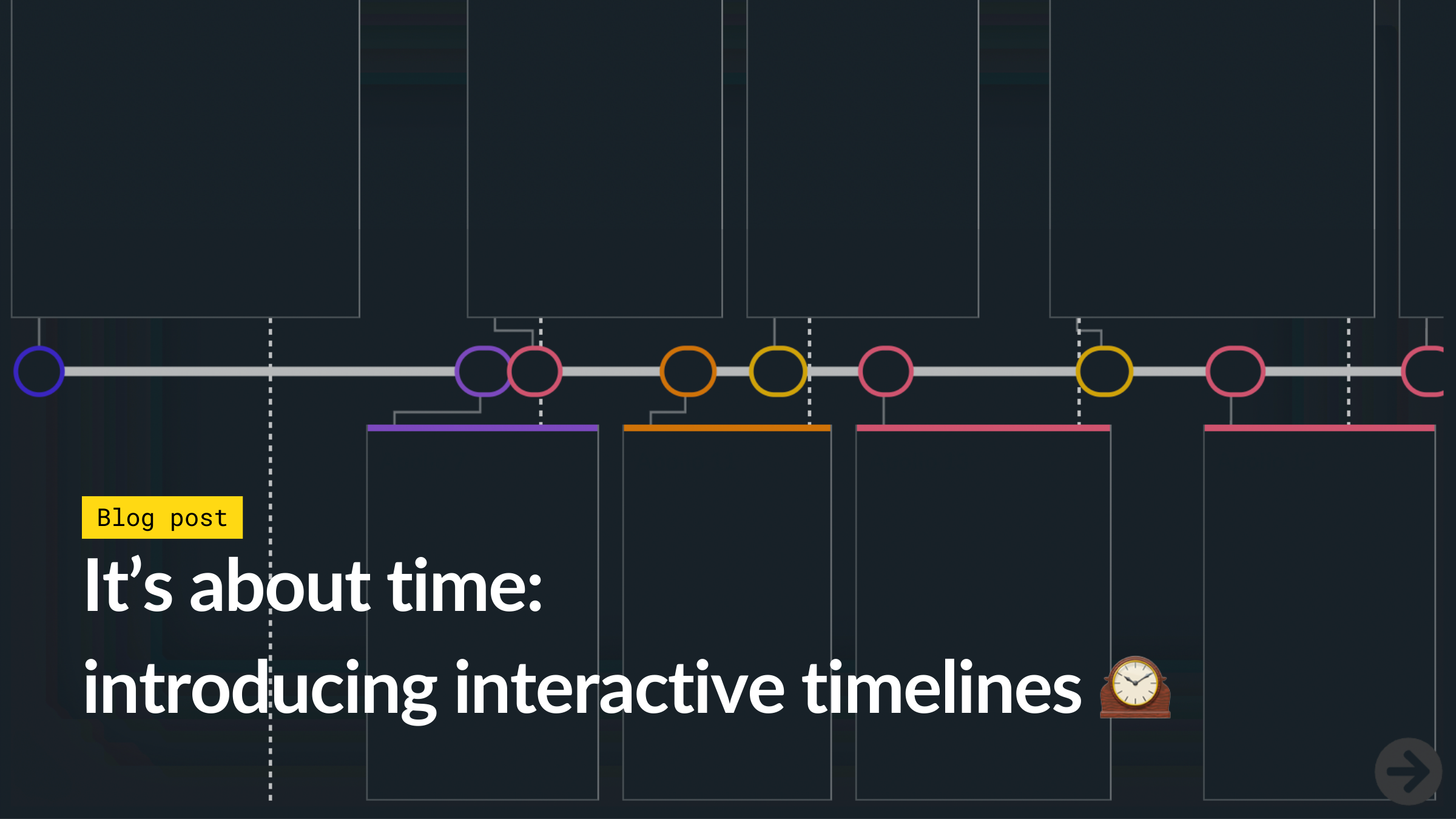
Here are some vibrant examples of interactive and visual timeline designs—from polished infographic templates to dynamic web-based storytelling layouts—that can inspire Neftaly’s interactive timelines of national sports history.
Neftaly: Designing Interactive Timelines to Celebrate National Sports History
Why Interactive Timelines Work
Engaging Storytelling: Interactive timelines make historical narratives more compelling and immersive. They allow fans to explore key milestones at their own pace with richer context and visuals.FlourishSports VideoShorthand
Proven Tools Available: Platforms like Genially, Visme, and Timetoast offer intuitive, customizable templates perfect for visualizing sports events in a sleek, interactive format.Genially.comVismeTimetoast
Layered Visual Access: Incorporating pop-up boxes for images, videos, or deeper explanations helps prevent clutter while allowing readers to dive into details.Visme
Scalable and Adaptive: Whether embedded on a website or displayed on an in-stadium digital board, these timelines are responsive and adaptable to various formats.FlourishT1V
Neftaly Timeline Blueprint
Feature
Description
Thematic Segments
Divide by era or theme—e.g., early national sporting origins, big match milestones, grassroots breakthroughs, iconic athlete profiles.
Multimedia Integration
Incorporate archival photos, audio chants, interviews, video highlights, and legend quotes to bring moments to life.
Interactive Navigation
Implement click or hover triggers that reveal contextual pop-ups—such as “Why it matters,” cultural anecdotes, or fan memories.
Responsive Design
Ensure usability on web and mobile platforms, as well as potential integration into stadium displays for match-day storytelling.
Civic Layering
Include lesser-known rural or community-level sports milestones, ensuring inclusive coverage that resonates with diverse fan bases.
How to Build It
Define Scope & Research: Map a curated list of foundational events—team formation dates, championship victories, symbolic rivalries, and social sports movements.
Select the Right Tool: Choose between platforms like Genially or Visme for ease and multimedia support, or Timetoast for simplicity and rapid publishing.
Design & Storyboarding: Use visual templates to lay out chronological flow. Embed media to deepen engagement.
Iterate with Feedback: Pilot with sports fans or focus groups to ensure navigability and emotional resonance.
Launch & Promote: Embed the timeline on Neftaly’s platforms; drive engagement with teasers like “Discover the underdog moment in 1996…” via social media.
Neftaly: AI Models for Injury Rehabilitation Timelines
Accurate and personalized rehabilitation is essential for athletes recovering from injury. Neftaly embraces AI-driven models that predict injury rehabilitation timelines, helping optimize recovery plans and get athletes back to peak performance safely.
AI models for rehabilitation offer:
Data-driven predictions tailored to the athlete’s injury type, severity, and progress
Real-time monitoring of recovery milestones through integration with wearable devices
Customized adjustment of therapy intensity to prevent setbacks and accelerate healing
Enhanced communication between athletes, coaches, and medical professionals
Improved outcomes by balancing effective recovery with timely return to training
Neftaly advocates for AI-powered rehabilitation tools as vital advancements that make recovery smarter, safer, and more efficient—supporting athletes every step of the way back to their best.