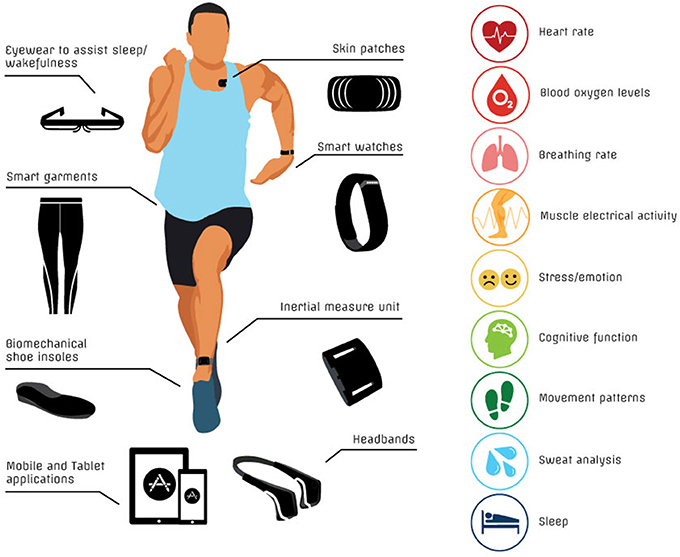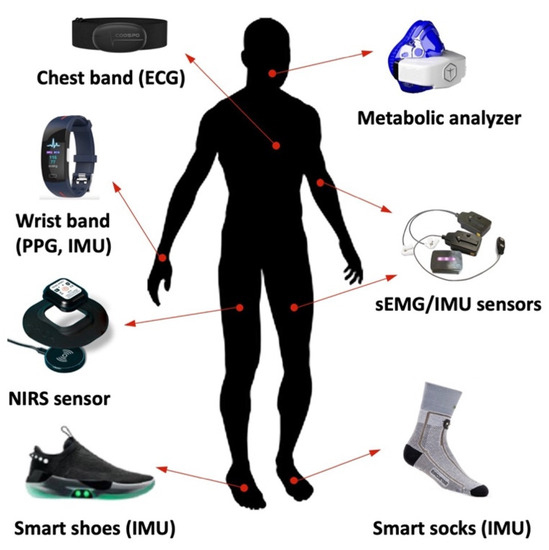


Neftaly can enhance high-altitude training by integrating wearable sensors that monitor blood oxygen levels (SpO₂), providing real-time insights into an athlete’s acclimatization and performance.
???? Importance of Monitoring SpO₂ at High Altitudes
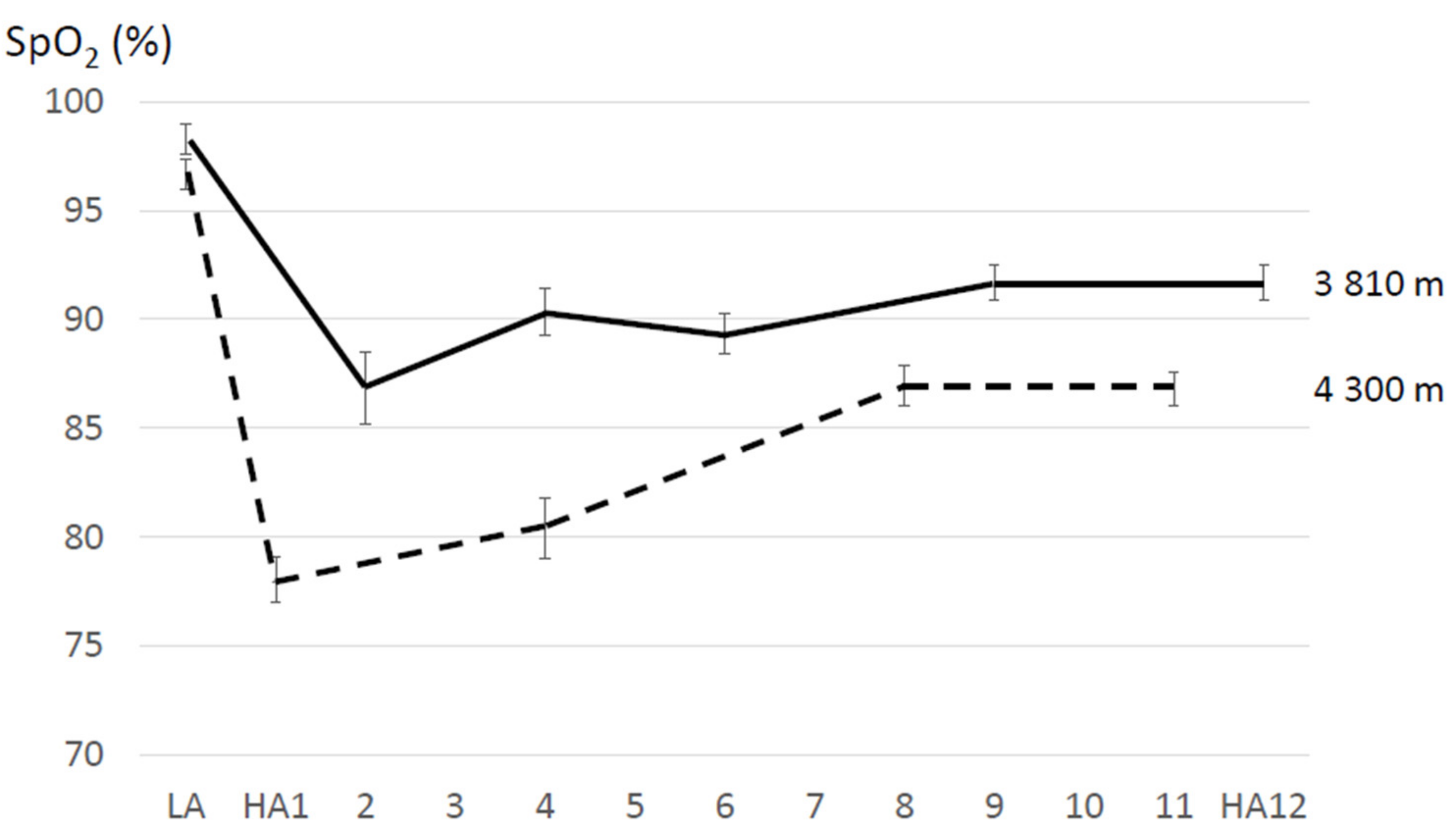
At elevations above 2,500 meters, oxygen levels decrease, leading to potential hypoxemia (low blood oxygen). Monitoring SpO₂ helps athletes assess their acclimatization, adjust training intensity, and prevent overexertion. Studies indicate that SpO₂ levels can drop significantly during high-altitude exposure, and tracking these changes aids in evaluating the progression of acclimatization and the risk of altitude-related illnesses .Verywell HealthMDPI
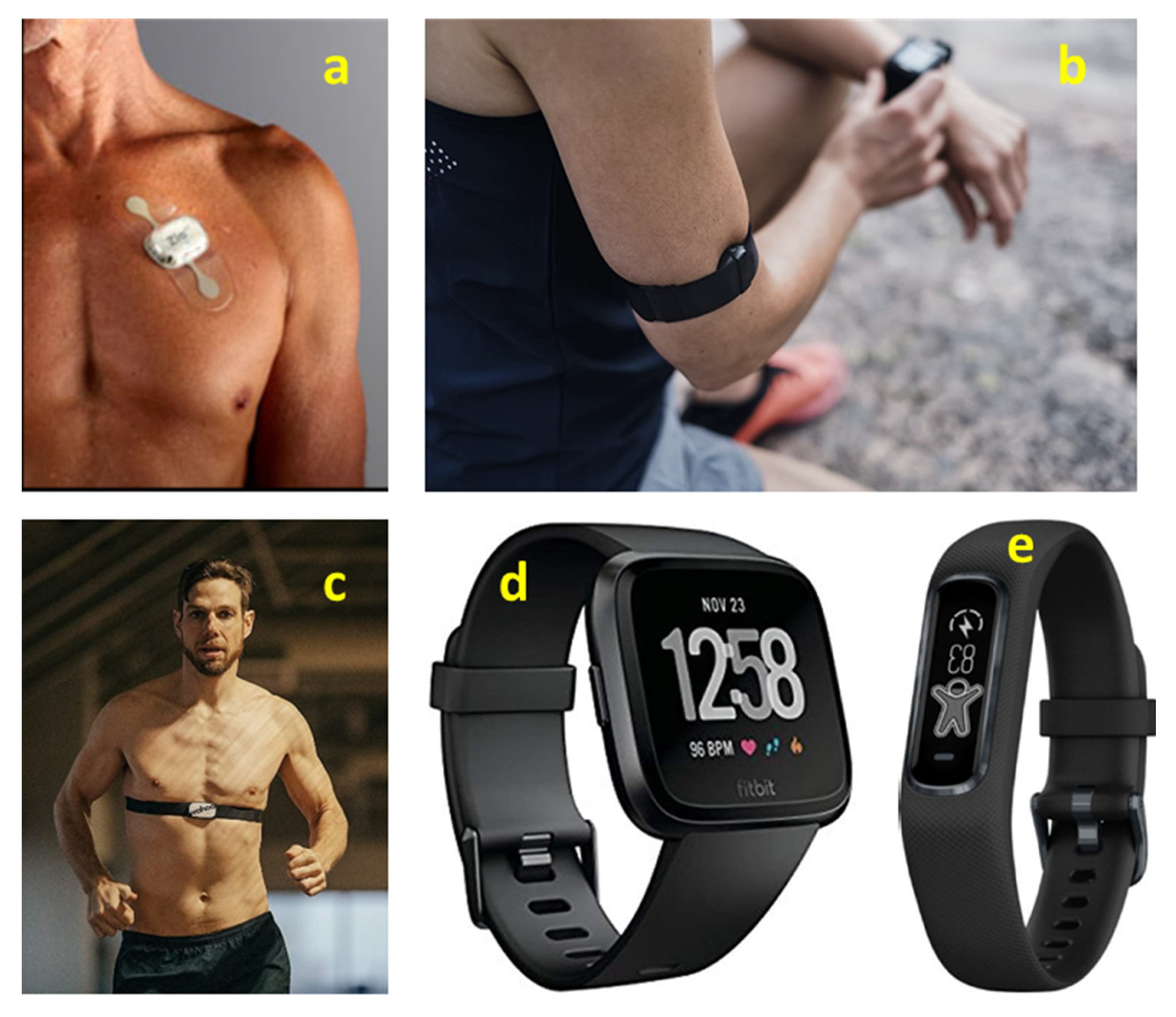
⌚ Wearable Devices for SpO₂ Monitoring
1. Smartwatches and Fitness Trackers
Devices like the Garmin Fenix series, Apple Watch, and Fitbit Charge 5 offer wrist-based SpO₂ monitoring. While convenient, their accuracy can be influenced by factors such as skin tone, movement, and sensor placement .WIRED+1WIRED+1WIRED+1WIRED+1
2. Finger Pulse Oximeters
Traditional finger pulse oximeters provide more accurate SpO₂ readings and are commonly used in medical settings. They can be beneficial for athletes seeking precise measurements during training sessions .MDPI+1Verywell Health+1
3. Muscle Oxygen Monitors
Devices like the Moxy Monitor measure muscle oxygen saturation (SmO₂), offering insights into muscle oxygen utilization during exercise. This data helps athletes optimize training intensity and recovery .Moxy Monitor
???? Utilizing SpO₂ Data in Training
- Acclimatization Assessment: Track SpO₂ trends over time to evaluate how well the body is adapting to high-altitude conditions.
- Training Intensity Adjustment: Use SpO₂ data to adjust training loads, ensuring they are within safe and effective ranges.
- Recovery Monitoring: Monitor SpO₂ levels during rest periods to assess recovery status and prevent overtraining .Triathlete+2TrainingPeaks+2trainwithdave+2
⚠️ Considerations and Limitations
- Accuracy Variability: Wrist-based sensors may have lower accuracy compared to finger-based oximeters, especially during movement .WIRED
- Environmental Factors: Cold temperatures and low perfusion can affect sensor readings.
- Device Calibration: Ensure devices are properly calibrated and validated for high-altitude conditions.
✅ Recommendations for Neftaly Integration
- Device Selection: Integrate high-accuracy SpO₂ sensors, such as finger pulse oximeters or muscle oxygen monitors, into wearable devices.
- Data Analytics: Develop algorithms to analyze SpO₂ trends and provide actionable insights for athletes.trainwithdave+1Verywell Health+1
- User Interface: Create intuitive dashboards that display real-time SpO₂ data and historical trends.
- Training Guidance: Offer personalized training recommendations based on SpO₂ data to optimize performance and safety.
By incorporating advanced SpO₂ monitoring into wearable devices, Neftaly can provide athletes with valuable tools to enhance their high-altitude training, ensuring safety and maximizing performance gains.