

Neftaly: Addressing the Psychological Effects of Trauma and Adversity in Sports
Neftaly is committed to supporting athletes in overcoming the psychological challenges associated with trauma and adversity in sports. Recognizing that athletes often face unique stressors—ranging from physical injuries and performance pressures to exposure to violence and systemic neglect—Neftaly develops comprehensive frameworks that integrate mental health support into athletic environments.
???? Understanding Trauma in Sports
Athletes may experience various forms of trauma, including:
- Physical Injuries: Such as concussions, fractures, or ligament tears, which can lead to long-term psychological effects like anxiety, depression, and identity loss .smrmc.com
- Chronic Traumatic Encephalopathy (CTE): A degenerative brain disease linked to repeated head trauma, associated with mood disorders, memory loss, and behavioral changes .Vox+2The Washington Post+2The Guardian+2
- Performance Pressures: High expectations and intense competition can contribute to stress, burnout, and mental health issues.
These challenges can significantly impact an athlete’s mental well-being and performance.
????️ Neftaly’s Approach to Trauma-Informed Care
Neftaly employs a trauma-informed framework that emphasizes:
- Safety and Trustworthiness: Creating environments where athletes feel secure and supported.
- Choice and Empowerment: Allowing athletes to have a voice in their recovery process, promoting autonomy.Vox+4smrmc.com+4Wikipedia+4
- Collaboration and Mutuality: Encouraging teamwork between athletes, coaches, and mental health professionals.
- Cultural, Historical, and Gender Issues: Recognizing and addressing the diverse backgrounds and experiences of athletes.
This approach fosters resilience and supports athletes in navigating the psychological effects of trauma .Wikipedia
????♂️ Therapeutic Interventions and Resilience Building
Neftaly integrates various therapeutic modalities to promote mental well-being:
- Mindfulness and Acceptance-Based Practices: Techniques like mindfulness meditation and Acceptance and Commitment Therapy (ACT) help athletes manage stress and enhance emotional regulation .PMC
- Cognitive-Behavioral Strategies: Interventions that address negative thought patterns and promote positive coping mechanisms.
- Social Support Networks: Building strong relationships within teams and communities to provide emotional support and reduce feelings of isolation.
These interventions aim to reduce negative reactions and facilitate recovery, enabling athletes to return to sport with confidence .PMC
???? Promoting Post-Traumatic Growth
Beyond recovery, Neftaly encourages athletes to find meaning and growth following adversity:
- Post-Traumatic Growth (PTG): A concept where individuals experience positive change through struggle, leading to greater appreciation of life, improved relationships, and increased personal strength .Wikipedia
- Resilience Training: Developing skills such as optimism, self-efficacy, and adaptive coping strategies to enhance overall well-being .Frontiers
By fostering PTG, Neftaly helps athletes transform challenges into opportunities for personal development.Wikipedia
???? Continuous Monitoring and Support
Neftaly emphasizes the importance of ongoing mental health support:
- Regular Mental Health Screenings: Implementing tools like the Sport Mental Health Assessment Tool (SMHAT-1) to monitor athletes’ mental well-being .
- Access to Mental Health Professionals: Ensuring athletes have access to psychologists and counselors for ongoing support.
- Education and Training: Providing resources for athletes, coaches, and staff to recognize signs of trauma and understand mental health issues.
These measures aim to create a supportive environment where athletes can thrive both mentally and physically.
Through its comprehensive approach, Neftaly is dedicated to addressing the psychological effects of trauma and adversity in sports, ensuring that athletes receive the support they need to recover and excel.
Recent Discussions on Athlete Mental Health and Trauma

The New York gunman blamed CTE. I’ve seen that pain and I know silence is deadly
Here’s what to know about CTE, the brain disease the NYC shooter blamed for his mental health issues
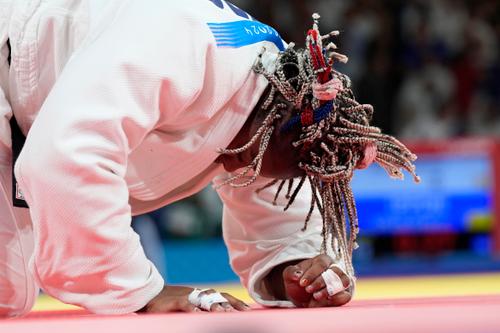
Confronting failure is an ‘essential objective’ for top athletes, sports psychologist says