




Neftaly: The Evolution of Winter Sports Equipment
Winter sports have undergone a remarkable transformation over the centuries, evolving from rudimentary tools to high-performance gear that enhances safety, efficiency, and enjoyment. This progression reflects advancements in materials, design, and technology.
????️ Origins: Practical Tools for Survival
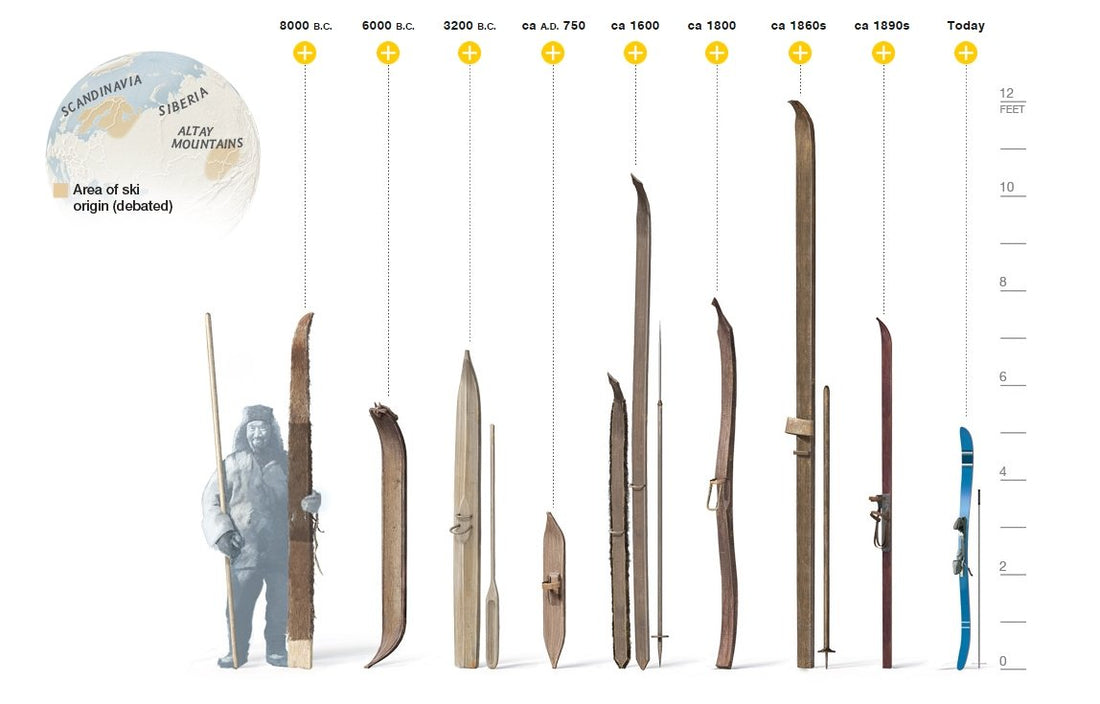
The earliest forms of winter sports equipment date back over 8,000 years. Ancient skis, found in regions like Scandinavia and Siberia, were crafted from wood and bone to aid in hunting and travel across snow-covered landscapes. These rudimentary skis were often secured with leather straps and lacked bindings, offering limited control .Mabey Ski+2Free The Powder Gloves+2Baleaf Sports+1Wikipedia
???? 19th Century: Emergence of Recreational Skiing
In the 1800s, skiing began to transition from a survival tool to a recreational activity. The introduction of metal edges on skis improved control, while the development of bindings allowed for better maneuverability. This era also saw the rise of ski resorts and the formalization of skiing as a sport.Wikipedia+1
???? 20th Century: Technological Advancements
The 20th century brought significant innovations in winter sports equipment:
- Skiing: The 1930s saw the introduction of the Rottefella binding, which featured a three-pin system, enhancing stability and control. In the 1970s, waxless skis with fish-scale bases were developed, eliminating the need for waxing in certain snow conditions .Wikipedia
- Snowboarding: Emerging in the 1960s and 1970s, snowboarding equipment evolved rapidly, with improvements in board design, bindings, and boots, leading to its inclusion in the Winter Olympics in 1998.
- Ice Hockey: Advancements in materials led to lighter and more durable sticks and pucks, while protective gear became more sophisticated, enhancing player safety.
???? 21st Century: Smart and Sustainable Gear
The current era is characterized by smart technology and sustainability:
- Smart Helmets: Helmets equipped with impact sensors can detect falls and send emergency alerts, improving safety for athletes .livall.es
- Performance Monitoring: Wearable devices track metrics like speed, altitude, and heart rate, providing athletes with data to optimize performance.
- Sustainable Materials: Manufacturers are increasingly using recycled materials and eco-friendly processes to produce equipment, reducing the environmental impact of winter sports .
???? Future Trends
Looking ahead, the evolution of winter sports equipment is expected to focus on:
- Enhanced Safety Features: Continued integration of smart technology to monitor and respond to injuries in real-time.livall.es
- Customization: Advancements in 3D printing may allow for personalized equipment tailored to individual athlete’s needs.
- Sustainability: Ongoing development of biodegradable and recyclable materials to minimize environmental impact.
