Neftaly Email: sayprobiz@gmail.com Call/WhatsApp: + 27 84 313 7407

Tag: Wrestling

Neftaly is a Global Solutions Provider working with Individuals, Governments, Corporate Businesses, Municipalities, International Institutions. Neftaly works across various Industries, Sectors providing wide range of solutions.

Neftaly Email: sayprobiz@gmail.com Call/WhatsApp: + 27 84 313 7407

  • Neftaly The Role of Storylines in Professional Wrestling

    Neftaly The Role of Storylines in Professional Wrestling

    Neftaly: The Role of Storylines in Professional Wrestling

    Storylines are the backbone of professional wrestling, transforming matches from mere athletic contests into engaging, episodic drama that captivates audiences. These narratives build emotional investment by creating rivalries, alliances, betrayals, and redemption arcs that give context to the in-ring action.

    Through storylines, wrestlers develop distinct characters—heroes (faces), villains (heels), or complex personas—that resonate with fans and drive fan reactions. Promos, interviews, and backstage segments deepen these narratives, enhancing the stakes of each match.

    Well-crafted storylines create anticipation for pay-per-view events and weekly shows, sustaining viewer interest over weeks or months. They also allow wrestlers to showcase acting skills, connect with audiences, and evolve their personas.

    Importantly, storylines reflect cultural themes and social issues, sometimes pushing boundaries to remain relevant and thought-provoking.

    In essence, storylines elevate professional wrestling from sport to storytelling, making it a unique blend of theater, athleticism, and serialized entertainment.

  • Neftaly The Influence of Wrestling on Mixed Martial Arts

    Neftaly The Influence of Wrestling on Mixed Martial Arts

    Neftaly: The Influence of Wrestling on Mixed Martial Arts (MMA)

    Wrestling has had a profound influence on the development and success of Mixed Martial Arts (MMA), serving as one of the foundational disciplines in the sport. Wrestlers bring exceptional grappling skills, control, and conditioning that often translate into dominant performances inside the cage.

    In MMA, wrestling techniques like takedowns, clinch work, and ground control allow fighters to dictate the pace and position of a bout. Elite wrestlers excel at neutralizing opponents’ striking by controlling where the fight takes place—either keeping it standing or taking it to the mat.

    Many of the most successful MMA fighters, such as Daniel Cormier, Khabib Nurmagomedov, and Jon Jones, have wrestling backgrounds, showcasing how the sport’s discipline, strength, and endurance provide a competitive edge.

    Wrestling’s emphasis on conditioning, mental toughness, and strategic thinking also prepares fighters for the rigors of MMA training and competition.

    Overall, wrestling’s influence has shaped MMA’s evolution, making it a critical skill set that blends with striking and submissions to create a well-rounded, dynamic combat sport.

  • Neftaly The evolution of wrestling in the Olympics

    Neftaly The evolution of wrestling in the Olympics

    https://usopm.org/wp-content/uploads/sites/34/2022/11/1964-tokyo-olympics-wrestling-dan-brand.jpg
    https://img.olympics.com/images/image/private/t_s_pog_staticContent_hero_xl_2x/f_auto/primary/u3mdnehryvj5ssx1du6o
    https://d2779tscntxxsw.cloudfront.net/6661e52bd77f8.png?quality=80&width=1200
    https://images.squarespace-cdn.com/content/v1/58ee0b551e5b6c8ff18b94ad/d0dc426e-d8ac-47ae-a78d-c8a34a66af1a/Mija%C3%ADn%2BL%C3%B3pez%2Btop%2Bmale%2Bolympic%2Bwrestlers%2B%281%29.jpg

    Neftaly: The Evolution of Wrestling in the Olympics

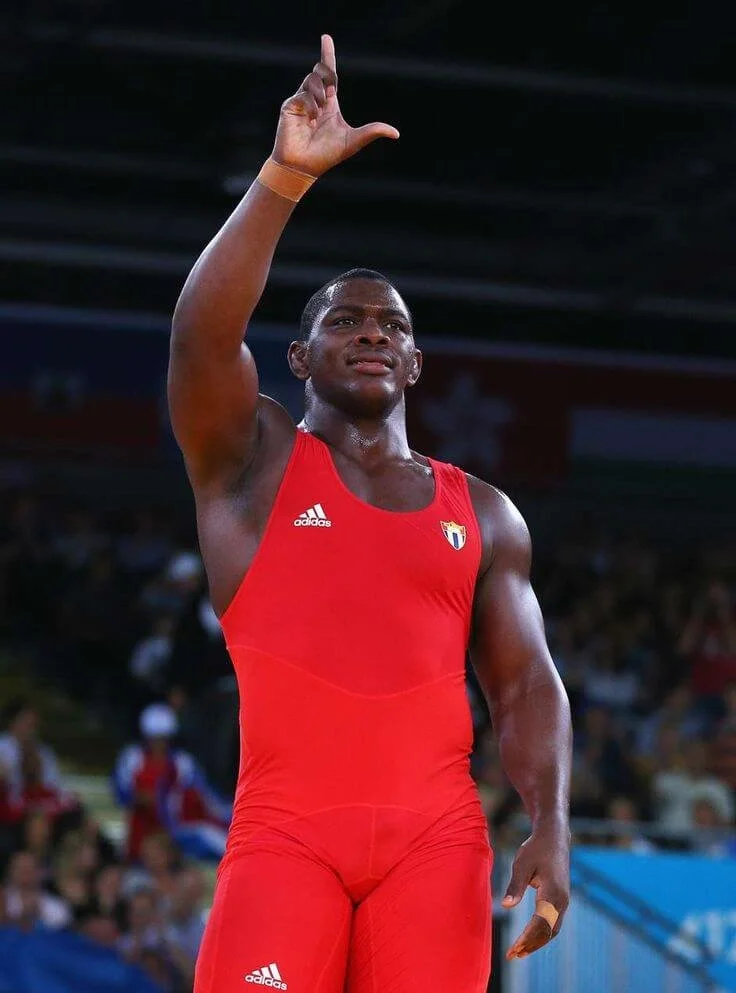
    Wrestling is among the most ancient and enduring sports in Olympic history, with its roots tracing back to the earliest recorded Olympic Games in 708 BCE. Over the centuries, wrestling has undergone significant transformations, adapting to cultural shifts, technological advancements, and evolving Olympic standards.


    ????️ Ancient Origins

    Wrestling was a central event in the ancient Olympic Games, held in Olympia, Greece. Victors were celebrated as heroes, and the sport was integral to the Greek ideal of physical excellence. Notably, Milon of Croton, a six-time Olympic champion, became legendary for his feats of strength and athletic prowess. United World Wrestling


    ???? Modern Olympic Era

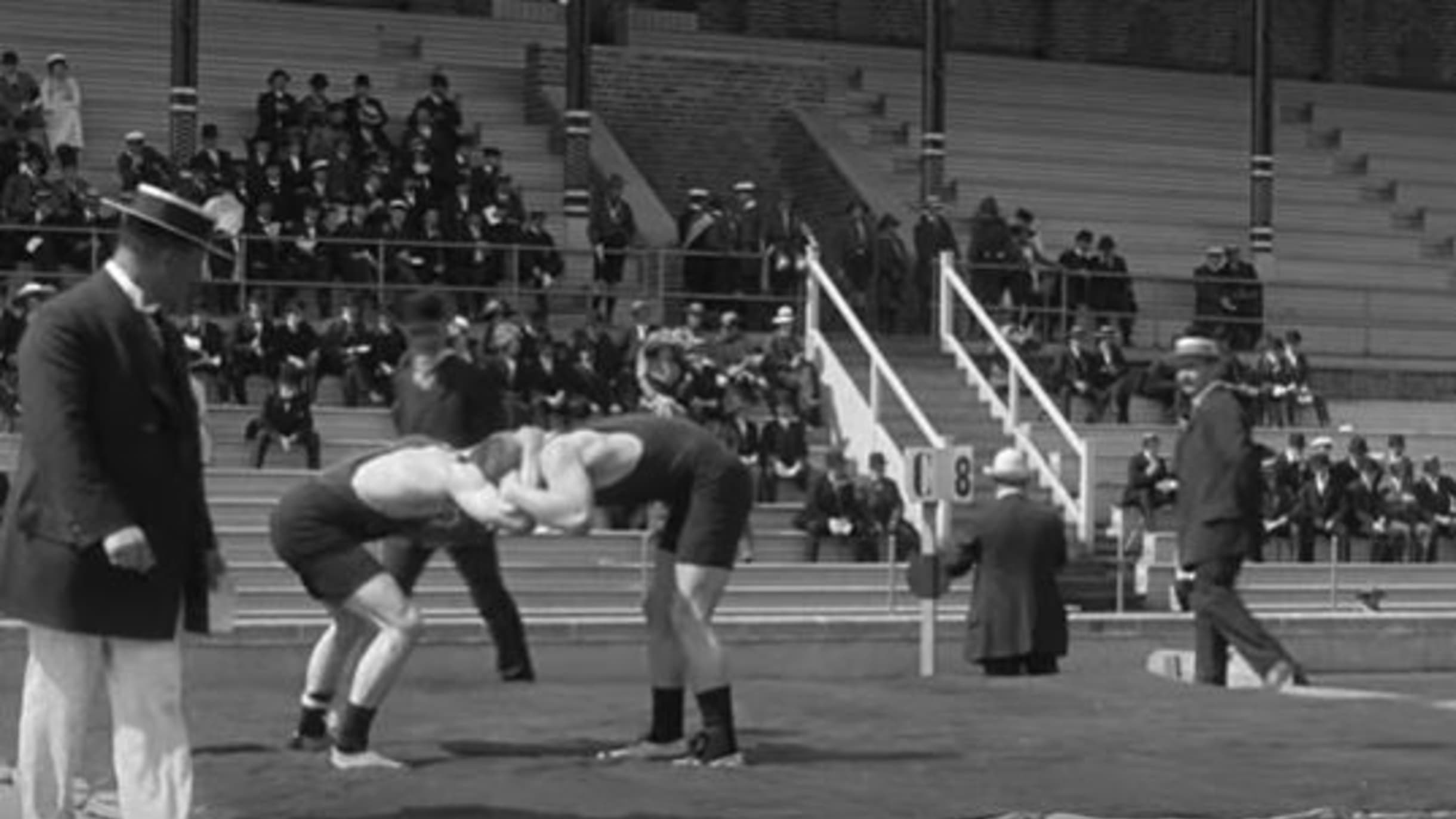
    In the revival of the modern Olympic Games in 1896, wrestling was featured as a core event, initially in the Greco-Roman style. This style emphasized upper-body techniques, forbidding holds below the waist. The introduction of freestyle wrestling occurred in 1904 at the St. Louis Games, allowing greater freedom of movement and techniques. United World Wrestling+2Wikipedia+2Topend Sportsusopm.org+2usopm.org+2


    ????‍???? Inclusion of Women

    Women’s wrestling made its Olympic debut in the 2004 Athens Games, marking a significant milestone in gender equality within the sport. Since then, women’s participation has grown substantially, with countries like Japan and the United States producing numerous Olympic champions.


    ???? Rule Changes and Challenges

    The sport has faced challenges, including the International Olympic Committee’s decision in 2013 to remove wrestling from the Olympic program for the 2020 Games. This decision was reversed in 2014 after the sport implemented reforms to modernize and increase its appeal. These changes included adjustments to scoring systems and match formats. usopm.org+1


    ???? Global Impact

    Wrestling has become a global sport, with countries like Russia, Iran, Japan, and the United States producing top-tier athletes. The sport’s universal appeal lies in its combination of strength, strategy, and cultural significance.


    ???? Iconic Moments

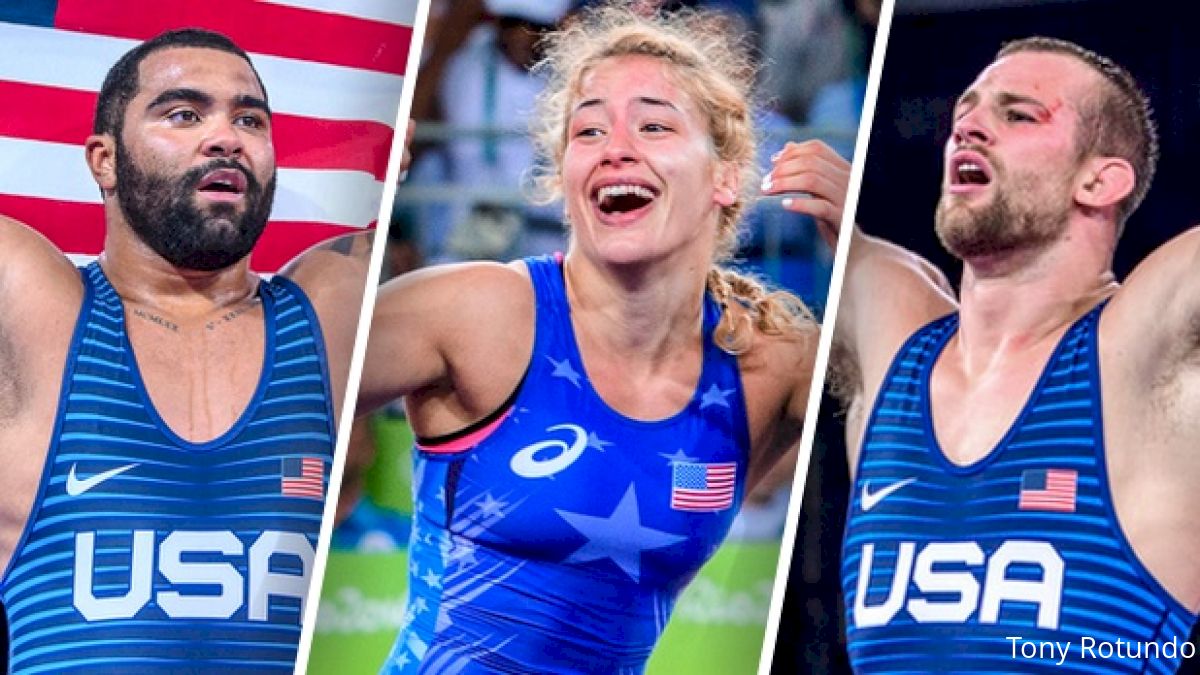
    Olympic wrestling has witnessed numerous memorable moments, such as Rulon Gardner’s stunning victory over Alexander Karelin in 2000, ending the Russian’s 13-year unbeaten streak. In 2016, Helen Maroulis made history by defeating Japan’s Saori Yoshida, a three-time Olympic champion, to become the first American woman to win Olympic gold in wrestling. usopm.org+1

  • Neftaly Analysis of professional wrestling as sports entertainment

    Neftaly Analysis of professional wrestling as sports entertainment

    Analysis of Professional Wrestling as Sports Entertainment

    Professional wrestling is a unique blend of athleticism, storytelling, and theatrical performance. Unlike traditional competitive sports, it combines physical prowess with scripted narratives to engage audiences and create compelling entertainment.

    Athletic skill and performance: Wrestlers require strength, agility, endurance, and coordination to execute moves safely and convincingly. Training includes strength conditioning, flexibility, and in-ring technique to prevent injury and maintain performance.

    Storytelling and character development: Matches are designed around storylines, rivalries, and character personas. Wrestlers portray heroes (faces) or villains (heels), creating emotional investment and audience engagement.

    Spectacle and production: Professional wrestling relies heavily on production elements such as lighting, music, costumes, and pyrotechnics. These enhance the theatrical experience and make events visually exciting for live and broadcast audiences.

    Fan interaction and engagement: Audience participation is central to professional wrestling. Cheers, boos, chants, and reactions influence match pacing and storyline development, making fans an integral part of the entertainment.

    Cultural impact: Wrestling has influenced popular culture, inspiring movies, television, and merchandise. Icons like Hulk Hogan, The Rock, and John Cena have transcended wrestling, becoming global cultural figures.

    Economic and media significance: Professional wrestling generates significant revenue through ticket sales, pay-per-view events, television deals, and merchandising. Promotions like WWE and AEW have built global brands and fanbases.

    In summary, professional wrestling functions as sports entertainment by blending athletic performance with narrative storytelling, spectacle, and audience interaction. Its unique combination of sport and theater has made it a globally recognized form of entertainment.