


Improving flexibility is essential for athletes to enhance performance, prevent injuries, and maintain overall mobility. Here’s a comprehensive guide to effective flexibility training:
????♂️ Effective Flexibility Training for Athletes
1. Incorporate Dynamic Stretching Before Workouts
Dynamic stretches involve controlled movements that prepare your muscles for exercise. These are best performed before physical activity to increase blood flow and muscle temperature. Examples include:
- Leg swings: Forward-backward and side-to-side.
- Lunges with a twist: Engages the hips and torso.
- Arm circles: Warms up the shoulders and arms.
These movements help activate muscles and improve range of motion, reducing the risk of injury during activity.
2. Implement Static Stretching Post-Exercise
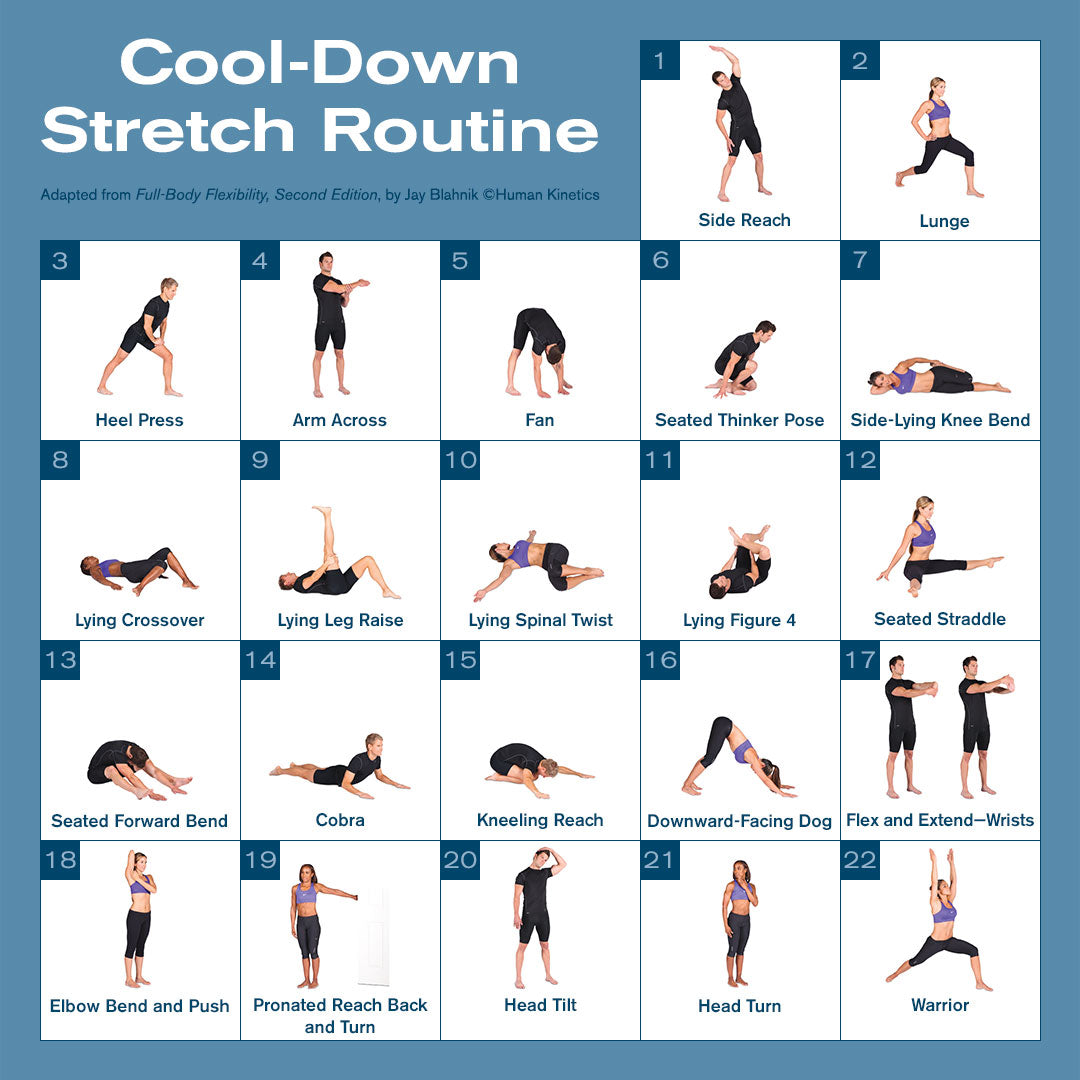
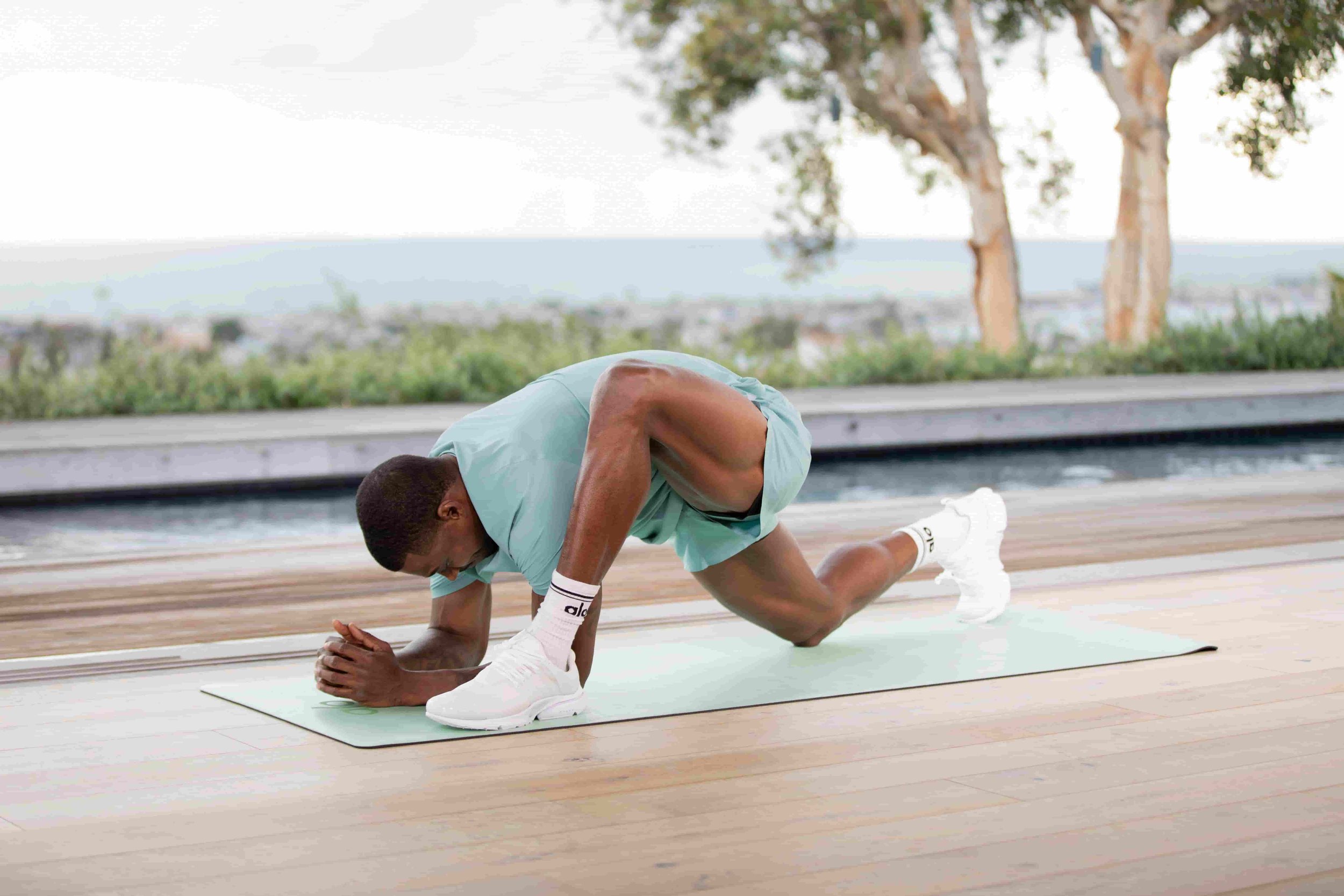
After your workout, static stretching can help lengthen muscles and improve flexibility. Hold each stretch for 15–30 seconds without bouncing. Target major muscle groups such as:
- Hamstrings
- Quadriceps
- Calves
- Hip flexors
Regular static stretching can enhance joint range of motion and muscle elasticity over time.
3. Utilize Foam Rolling and Self-Myofascial Release
Foam rolling can help release muscle tightness and improve flexibility. Focus on areas like the thighs, calves, and upper back. Perform rolling motions for 1–2 minutes per muscle group to increase blood flow and reduce muscle stiffness.
4. Practice Yoga or Pilates
Incorporating yoga or Pilates into your routine can significantly improve flexibility, balance, and core strength. These practices emphasize controlled movements and breathing, enhancing overall mobility and reducing the risk of injury.
5. Maintain Consistency
Aim to incorporate flexibility exercises into your routine at least 2–3 times per week. Consistency is key to seeing improvements in muscle length and joint mobility.
????♀️ Sample Flexibility Routine for Athletes
Warm-Up (5–10 minutes):
- Light jogging or brisk walking
- Dynamic stretches (e.g., leg swings, arm circles)
Main Workout:
- Perform sport-specific drills or exercises
Cool-Down (5–10 minutes):
- Static stretching focusing on major muscle groups
- Deep breathing exercises to promote relaxation
⚠️ Tips for Safe Stretching
- Warm up before stretching to increase muscle temperature.
- Avoid bouncing during static stretches to prevent muscle strain.
- Listen to your body and avoid pushing into pain.
- Stay hydrated to maintain muscle elasticity.
By integrating these flexibility practices into your training regimen, you can enhance your athletic performance and reduce the likelihood of injuries.
Leave a Reply
You must be logged in to post a comment.