


Addressing the mental health needs of para-athletes is crucial for fostering their overall well-being and performance. Research indicates that a significant proportion of elite para-athletes experience mental health challenges. A study found that 58% of para-athletes reported symptoms of anxiety, and 42% experienced symptoms of depression at some point during their careers. ciss-journal.orgPMC
???? Key Mental Health Challenges Faced by Para-Athletes
- Anxiety and Depression
High levels of anxiety and depression have been reported among elite para-athletes. A cohort study revealed that 34.1% of athletes experienced weekly anxiety or depression symptoms. Additionally, 60.9% reported insufficient sleep, and 49.9% experienced pain, all of which are concerning for their mental health. - Stigma and Identity Issues
Para-athletes often face societal stigma and identity challenges related to their disabilities. These factors can contribute to lower self-esteem and increased mental health risks. - Barriers to Mental Health Support
Despite the prevalence of mental health issues, many para-athletes encounter barriers to accessing mental health services. These barriers include stigma, lack of awareness, and limited availability of specialized support.
????️ Strategies for Supporting Para-Athletes’ Mental Health
- Integrated Mental Health Services
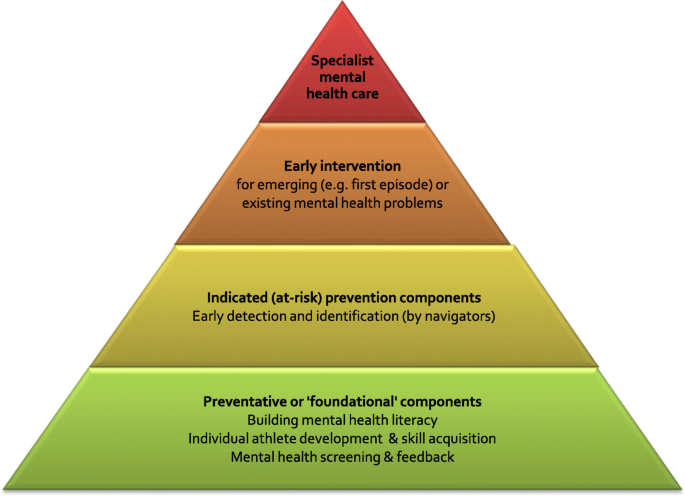
Providing accessible and specialized mental health services tailored to the needs of para-athletes is essential. This includes offering psychological support that considers the unique stressors and experiences of athletes with disabilities. - Promoting Mental Health Awareness
Raising awareness about mental health issues within the para-athlete community can help reduce stigma and encourage individuals to seek support. Initiatives like the “Mentally Fit Helpline” during the Paris 2024 Olympic and Paralympic Games provide confidential mental health counseling services to athletes. - Early Detection and Intervention
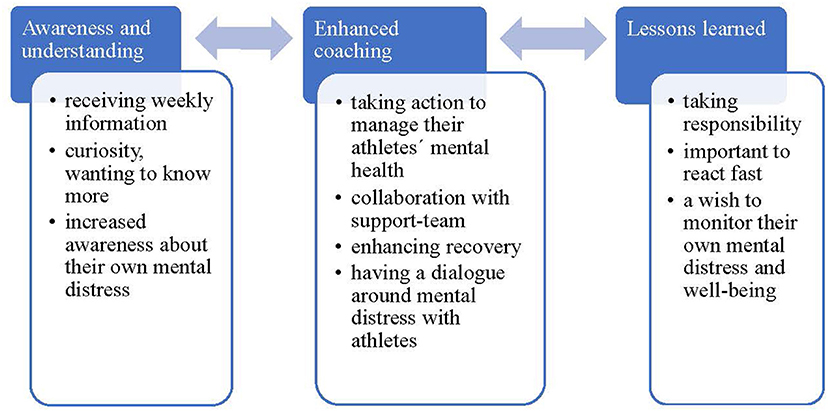
Implementing systems to monitor mental distress among para-athletes can lead to early identification of mental health issues. This proactive approach allows for timely interventions and support. - Peer Support and Community Building
Encouraging peer support networks and community engagement can provide para-athletes with a sense of belonging and shared understanding, which is vital for mental well-being.
???? Resources in South Africa
In South Africa, the South African Depression and Anxiety Group (SADAG) offers various mental health resources, including 24-hour toll-free helplines and WhatsApp support. These services are accessible to all individuals, including para-athletes, and can provide immediate assistance and guidance. sadag.org